






Mistakes Schools Make When Adopting Smart Boards
In today’s fast-paced world, Nepal’s classrooms and collaboration spaces are transforming at unprecedented speed. Interactive flat panels and smart boards are no longer just technological novelties; they’re essential tools redefining how students learn, teachers deliver instruction, and organizations operate. Yet, many schools and institutions unintentionally undermine the potential of these powerful tools by making avoidable mistakes during adoption. The right strategy is changing the game: here’s how to avoid the pitfalls and drive real results.
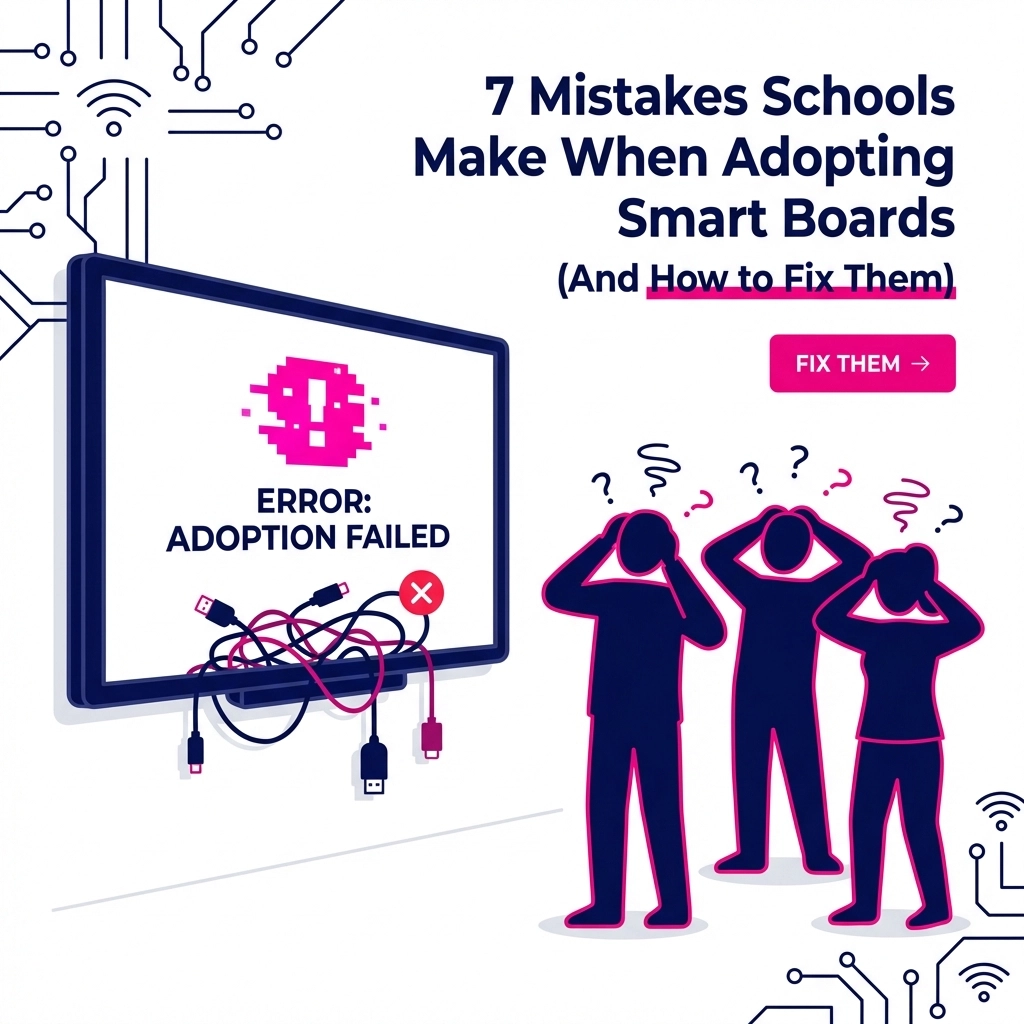
7 Mistakes Schools Make When Adopting Smart Boards
Schools often face challenges when adopting smart boards due to rushed planning, limited training, and improper setup. These mistakes reduce classroom engagement and waste resources. This paragraph explains the most common issues schools encounter and helps educators make smarter decisions for a smooth, effective, and impactful smart board integration.
1. Choosing the Wrong Smart Board Size for the Room
Selecting a smart board solely based on price or a one-size-fits-all mentality means disappointing visibility, awkward placement, and wasted investment. Oversized panels crowd small rooms; undersized displays lose impact in spacious classrooms and meeting halls. This scenario is especially common across public and private institutions in Nepal, resulting in underwhelming teaching and collaboration experiences.

How to fix it:
Evaluate the classroom or boardroom’s dimensions, seating arrangement, and viewing angles before purchasing. Horion’s M6APro V2 series is available in 65″, 75″, 86″, and up to 98″ options: ensuring perfect fit whether in a compact meeting space or a university auditorium. Schools like Kathmandu University and Don Bosco have standardized room-by-room, dramatically improving engagement and accessibility.
2. Ignoring Technical Specifications and Core Features
Rushing the buying decision by skipping technical details often puts old problems into a new frame: laggy touch responses, insufficient resolution, or limited connectivity. In Nepal’s evolving digital education landscape, these oversights are costly.
How to fix it:
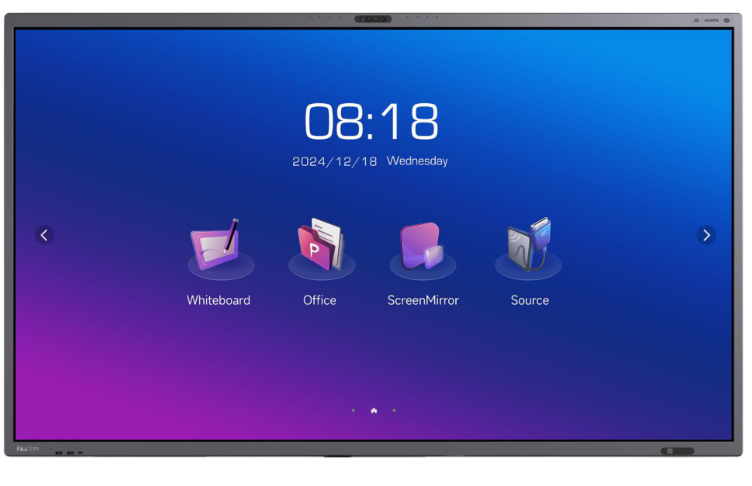
Prioritize specifications that genuinely revolutionize classroom experiences:
- Ultra-clear 4K resolution
- Responsive 20-point multi-touch
- Built-in Android 14 platform with Google EDLA certification
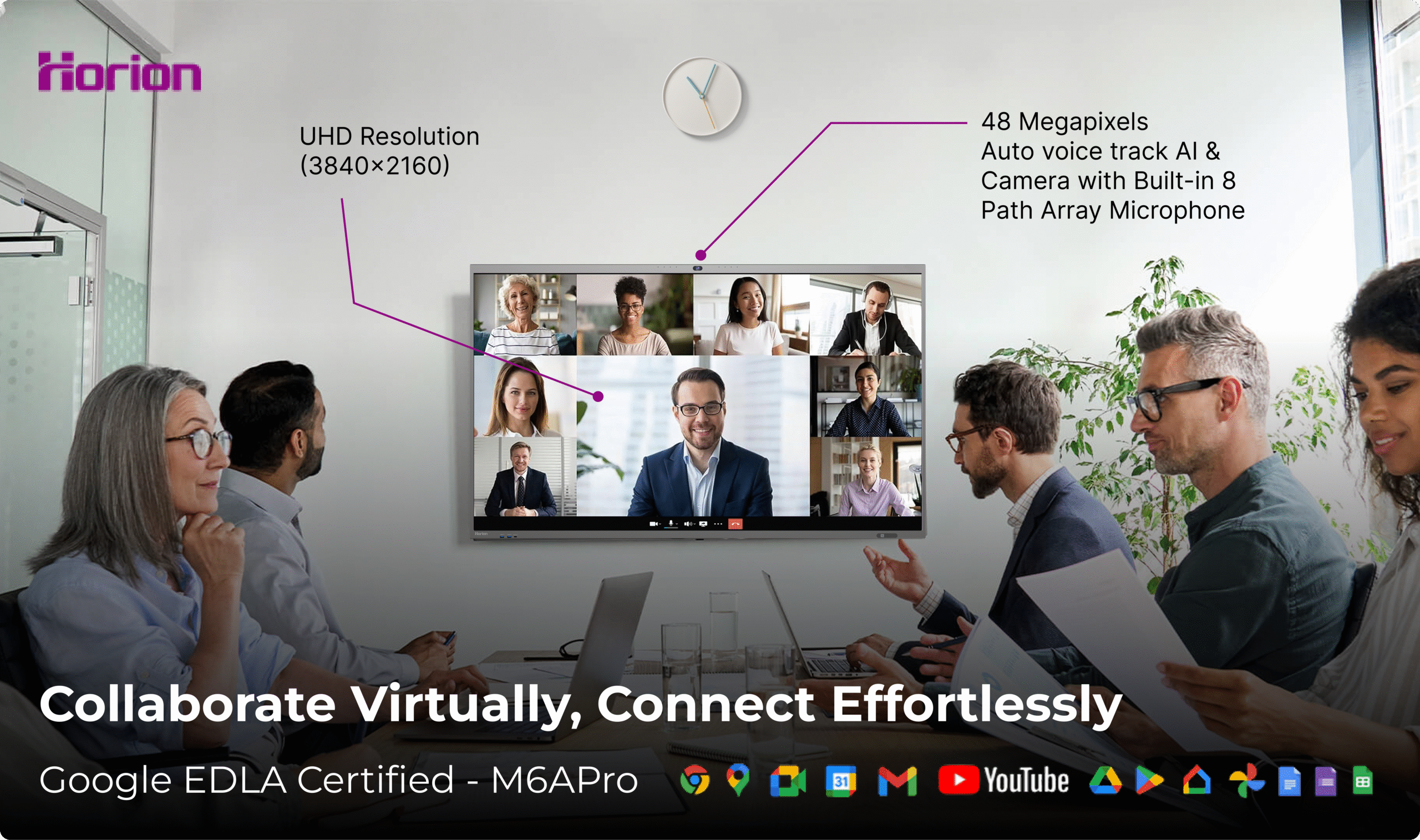
- Powerful 48MP camera and advanced 8-array microphone for crisp hybrid learning
The M6APro V2 stands out with 16GB RAM and 256GB storage, future-proofing every lesson and presentation. In both educational and commercial settings, these features are proving essential for everything from interactive math lessons to multinational business meetings.
3. Poor Installation and Neglecting Site Readiness
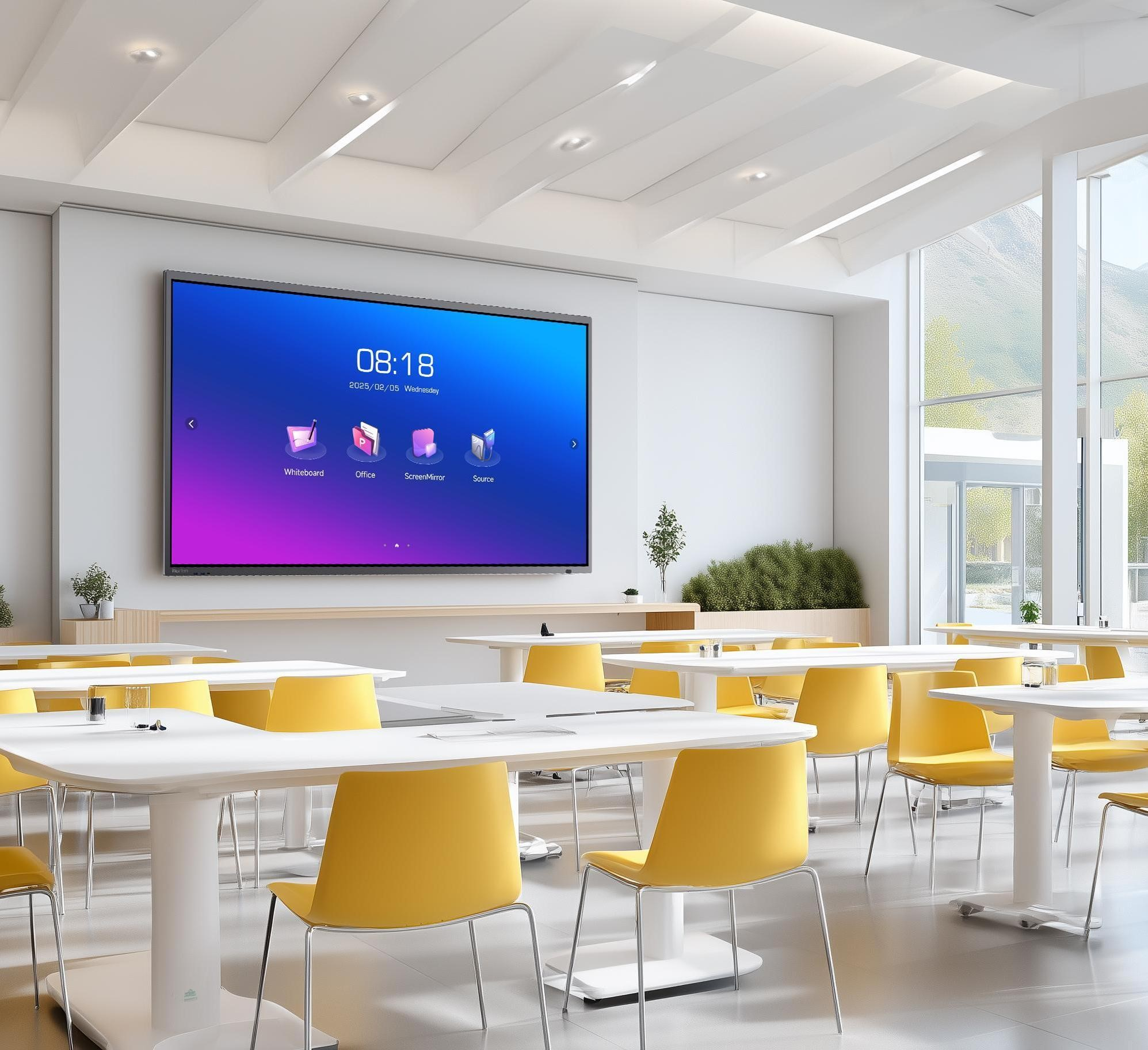
Even the most advanced smart board falls short if installed next to glare-heavy windows, mounted at the wrong height, or left disconnected from local networks. Surprisingly, poor installation is one of the most significant barriers to adoption success everywhere from classrooms to government training rooms.
How to fix it:
Work with certified professionals for site evaluation and installation. Horion Nepal’s team tailors mounting solutions and ensures seamless connectivity to power, Wi-Fi, and auxiliary devices. This minimizes lesson disruptions and maximizes technology’s impact from day one.
4. Underestimating the Need for Comprehensive Teacher Training
Schools investing heavily in hardware but lightly in professional development discover that even the best technology goes underused, serving as a glorified whiteboard. Teachers: without practical, hands-on training: lose confidence, and true transformation stalls.
How to fix it:
Prioritize ongoing, hands-on workshops and peer mentoring. Adopt a “watch me once, do it yourself” approach, where early adopters (middle champions) model use for others. St Xavier, Little Angels’, and UNOPS in Nepal have achieved maximum value by committing to continuous upskilling alongside product adoption, rather than afterthought training.
5. Disregarding Warranty, Local Support & Long-Term Service
In the rush to modernize, some schools shy away from warranty options or choose vendors lacking local presence. When technical problems inevitably arise: ranging from software glitches to hardware faults: downtimes can be substantial and costly.
How to fix it:
Partner with trusted suppliers like Horion Nepal, who provide generous multi-year warranties, rapid-response support teams, and on-site servicing. This approach isn’t just about fixing problems; it’s about ensuring your technology evolves with your organization’s changing needs. The Ministry of Home Affairs in Nepal adopted this proactive stance, avoiding disruptive lessons and unexpected repair bills over time.
6. Overlooking Software Compatibility and Integration
Interactive panels are revolutionizing digital learning and remote collaboration. But ignoring platform compatibility traps educators and teams in ecosystem dead ends: unable to use the tools and resources they rely upon daily.
How to fix it:
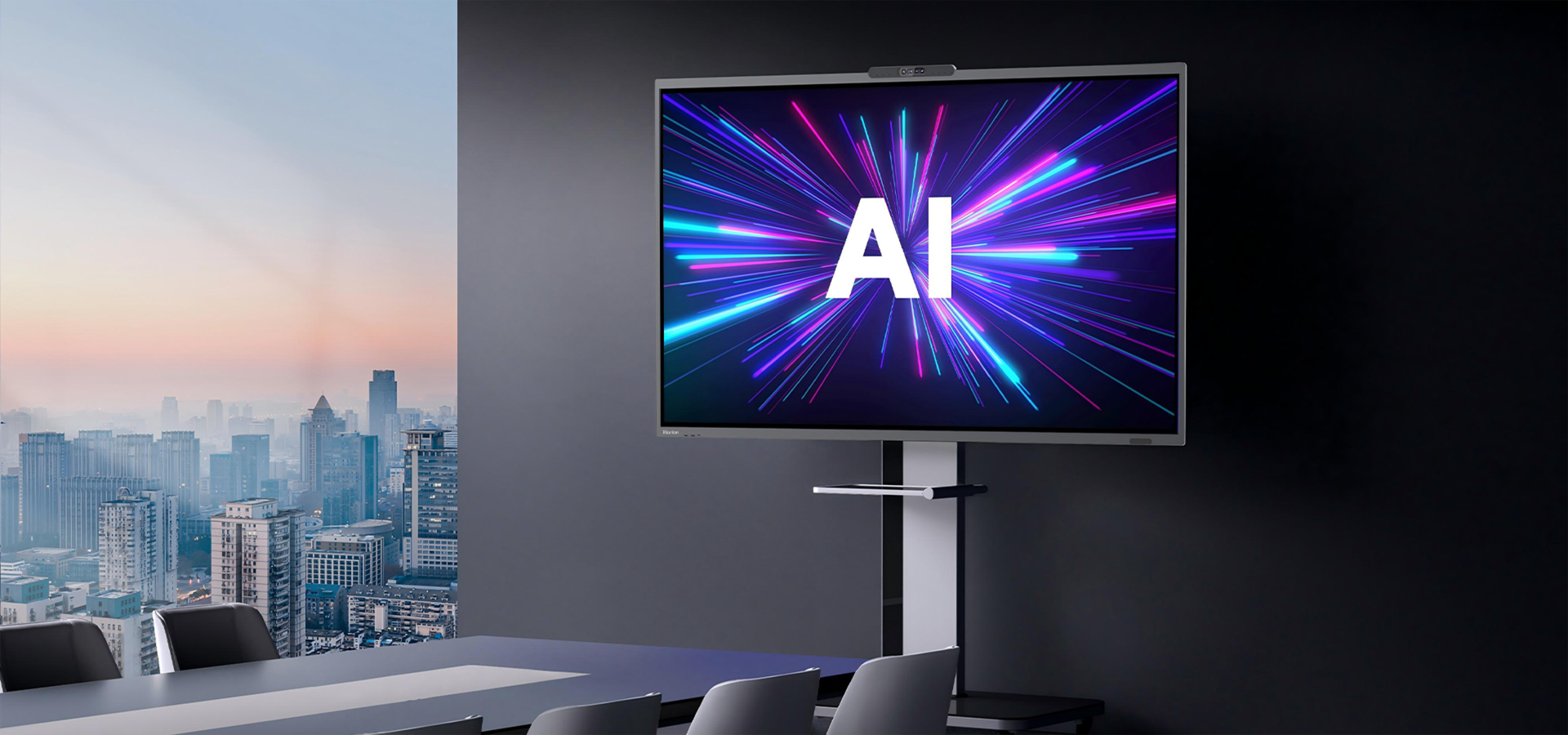
Choose smart boards featuring Google EDLA certification and robust Android OS: guaranteeing seamless access to Google Workspace, Zoom, Microsoft Teams, learning management systems, and classroom apps. With advanced wireless screen sharing, document annotation, and cloud storage, Horion boards are empowering both teachers in rural Nepal and business leaders in Kathmandu to collaborate at global standards.
7. Failing to Plan for Upgrades, Expansion, and Long-Term Use
Technology adoption isn’t a one-off event; it’s an ongoing process. Schools and business centers that fail to plan for user growth, software updates, and device expansion find their investment quickly plateauing: technology becoming a static, outdated tool.
How to fix it:
Adopt an institutional roadmap:
- Map out phased rollout with room for user growth
- Track usage and learning outcomes rather than mere device access
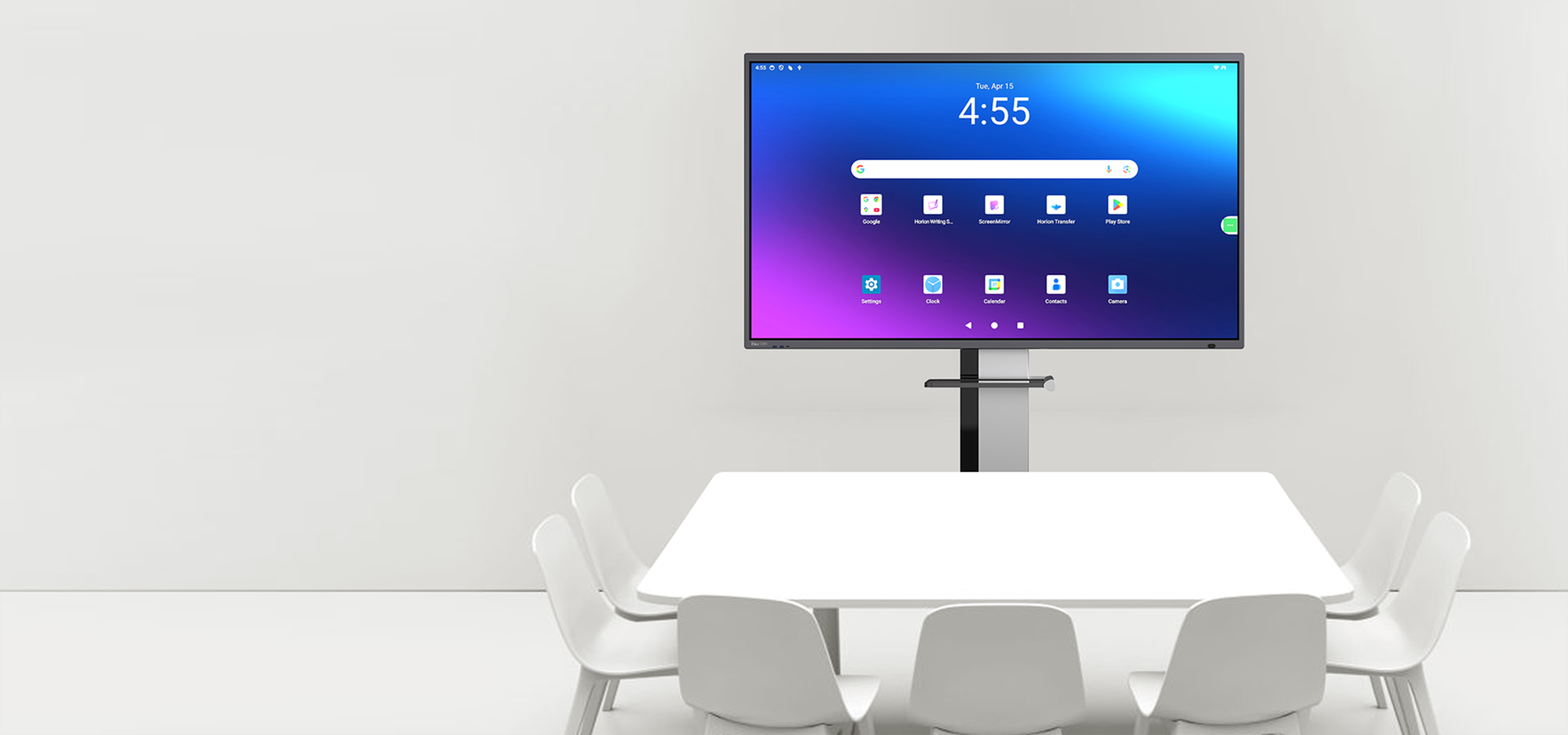
- Budget for periodic software updates and accessories (cameras, microphone upgrades, mobile stands)
Institutions like Kathmandu University and Sankalpa School have reported sustained, increasing technology utilization following this approach: future-proofing their investment while keeping pace with national and global innovation trends.
Success Stories: Revolutionizing Learning and Collaboration in Nepal
Horion solutions are changing the way education and communication happen nationwide:
- Kathmandu University: Equipped with multiple M6APro panels, faculty collaboration now mirrors best global practices in hybrid learning.
- St Xavier’s & Little Angels’: Students interact directly with STEM content, and teachers report higher engagement.
- Ministry of Home Affairs & UNOPS: Secure, real-time info sharing and crisis management: digitally enabled.
- Don Bosco & Summit Air: Leveraged cutting-edge displays for instructional and organizational precision.
Frequently Asked Questions (FAQs)
How do I choose the right smart board size for my school or office in Nepal?
Measure the room’s longest viewing distance and select a panel size that ensures every seat has a clear, readable view. Horion panels range from 65″ up to 98″, tailored for everything from primary classrooms to lecture theaters and boardrooms.
What technical features are essential for modern classrooms?
4K resolution, 20-point touch, robust RAM and storage, integrated camera and microphone, strong wireless and wired connectivity, and software compatibility across Google and Microsoft platforms.
Can Horion boards support both online and in-person learning?
Absolutely: Horion’s built-in cameras, microphones, and hybrid teaching tools are designed for seamless transitions between physical and virtual environments.
How long does installation take, and is onsite support available in Nepal?
Professional installation typically takes less than a day. Horion Nepal’s after-sales services include rapid onsite support, regular training, and hotline assistance.
What is the pricing context for Horion panels in Nepal?
Pricing depends on the model and installation scale: Horion Nepal offers transparent quotes, site surveys, and full system integration suitable for schools of all sizes. Request a quote at Horion Nepal’s contact page.
Elevate Your Institution : Make Technology Work for You
Today’s educational and professional spaces are evolving. Avoiding the mistakes above and choosing the right partner unlocks the full transformative potential of smart boards. Horion Nepal stands ready to guide your digital journey: from the first consultation to long-term partnership, ensuring your investment sets a new standard for learning and collaboration in Nepal.