






AI-Powered Interactive Displays: Are Traditional Smart Boards Dead
In today’s rapidly evolving digital landscape, the question isn’t whether traditional smart boards will survive: it’s how quickly institutions across Nepal are transitioning to AI-powered interactive displays that are revolutionizing collaboration, education, and business communication. The transformation happening right now is reshaping how we think about interactive technology in classrooms, boardrooms, and government facilities throughout the country.
The Great Divide: Traditional vs AI-Powered Interactive Displays
The smart board market in Nepal has reached a critical inflection point in 2026. Traditional electronic whiteboards, once considered cutting-edge solutions, are increasingly being relegated to budget-conscious institutions while AI-powered interactive displays emerge as the new gold standard for modern organizations.
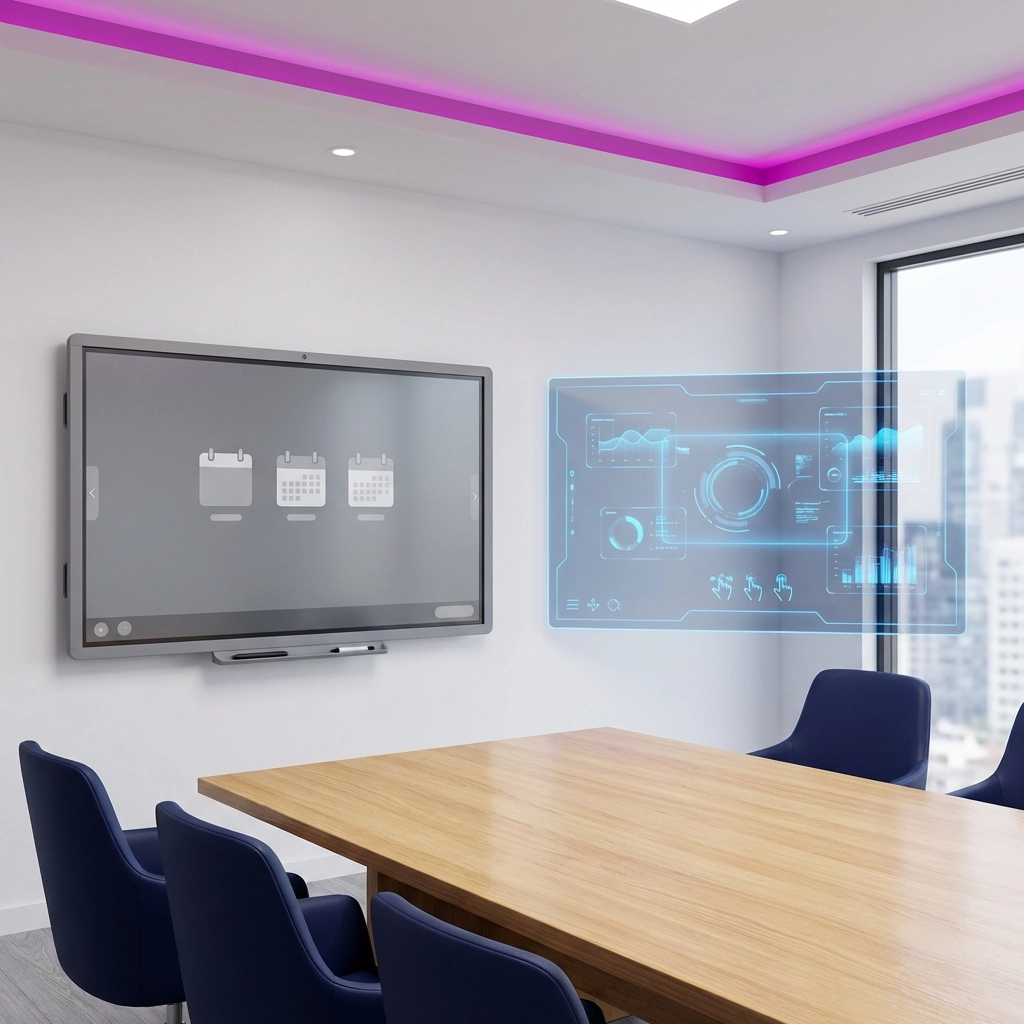
The price differential tells the story clearly: traditional smart boards in Nepal range from NPR 50,000 to NPR 80,000, while AI-powered interactive flat panels command NPR 140,000 to NPR 250,000. This premium reflects fundamental capability differences that are transforming how organizations approach digital collaboration and education.
Traditional smart boards require manual intervention for basic tasks that AI-powered displays handle automatically. While conventional digital boards in Nepal offer basic touch functionality, AI-powered systems like Horion’s M6APro series deliver handwriting recognition, auto-summarization, built-in screen recording, and intelligent shape recognition: capabilities that traditional boards cannot match regardless of software upgrades.
Revolutionizing Education: Smart Classrooms Nepal
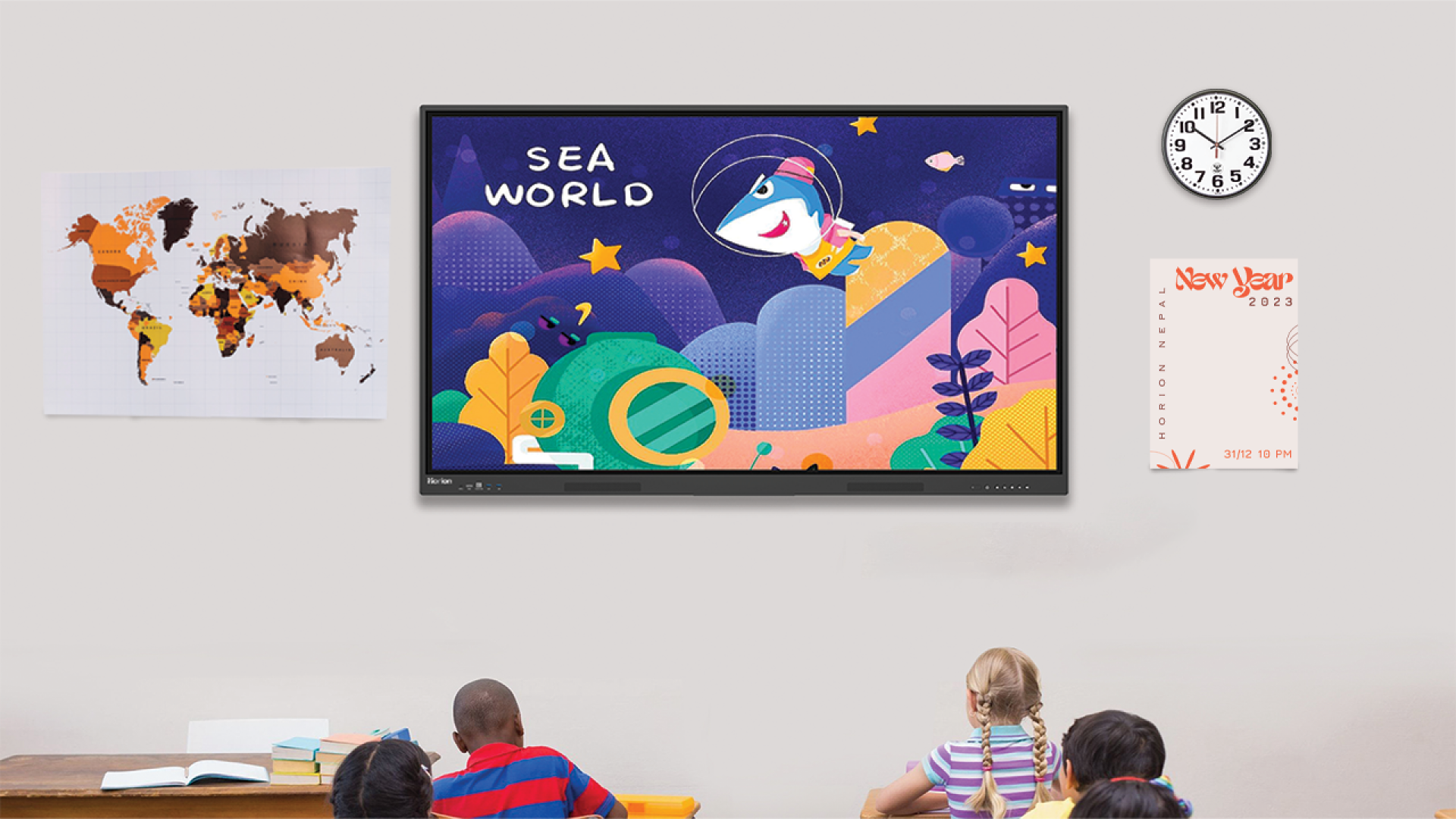
The education sector in Nepal is experiencing the most dramatic transformation from this technological shift. Traditional whiteboards encourage passive learning environments where students primarily listen and copy notes. AI-powered interactive displays are redefining classroom engagement through touchscreen interaction that promotes active participation and collaborative learning.
Prestigious institutions like Kathmandu University have already recognized this advantage, implementing Horion’s advanced interactive display solutions that feature 48MP cameras and 8-array microphones for seamless hybrid learning environments. These systems solve critical accessibility challenges that traditional boards cannot address: high-resolution 4K displays with adjustable text sizes ensure every student can see content clearly regardless of seating position.
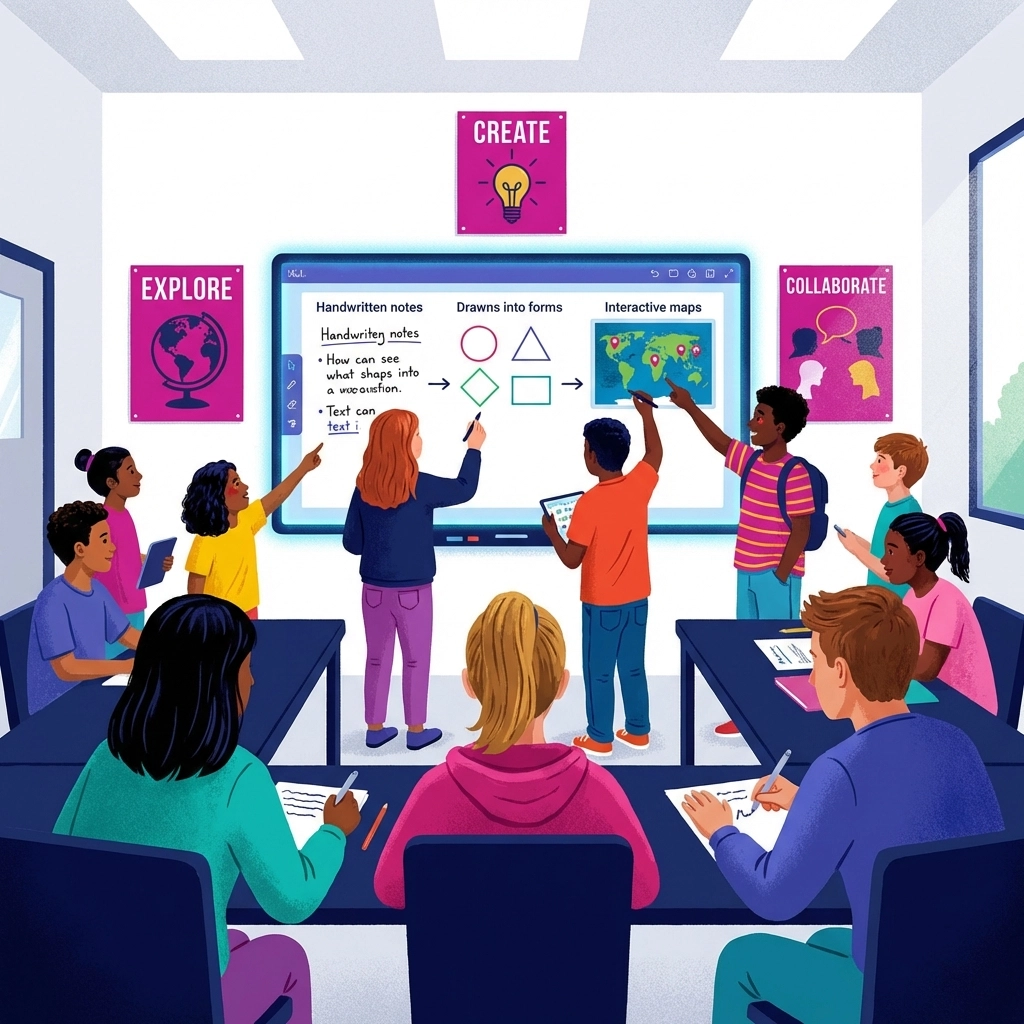
The AI integration extends beyond basic interaction. Modern systems running Android 14.0 provide Google EDLA certification, ensuring seamless integration with educational apps and cloud-based learning platforms that are becoming essential for contemporary education in Nepal.
Transforming Business Communication: Corporate Interactive Displays
Corporate environments across Nepal are rapidly adopting AI-powered interactive flat panels for business communication that traditional smart boards simply cannot facilitate effectively. The shift is particularly pronounced in multinational corporations and forward-thinking Nepalese businesses that recognize the competitive advantage of advanced collaboration technology.
AI-powered displays transform meeting efficiency through features like automatic meeting transcription, real-time language translation, and intelligent content sharing. Traditional smart boards require separate devices and software installations to achieve basic screen sharing, while AI-powered systems integrate these capabilities natively.
The business case becomes even more compelling when considering long-term ROI. AI-powered interactive displays consolidate multiple tools: projectors, speakers, printed materials, and video conferencing equipment: into integrated platforms with software that continuously evolves through automatic updates, extending functionality without requiring hardware replacement.
Government Sector Transformation: Digital Governance Nepal
Government institutions in Nepal are increasingly recognizing that AI-powered interactive displays provide the security, reliability, and advanced features necessary for modern governance. The Ministry of Home Affairs has already implemented Horion solutions, demonstrating the government’s commitment to leveraging advanced interactive technology for improved public service delivery.
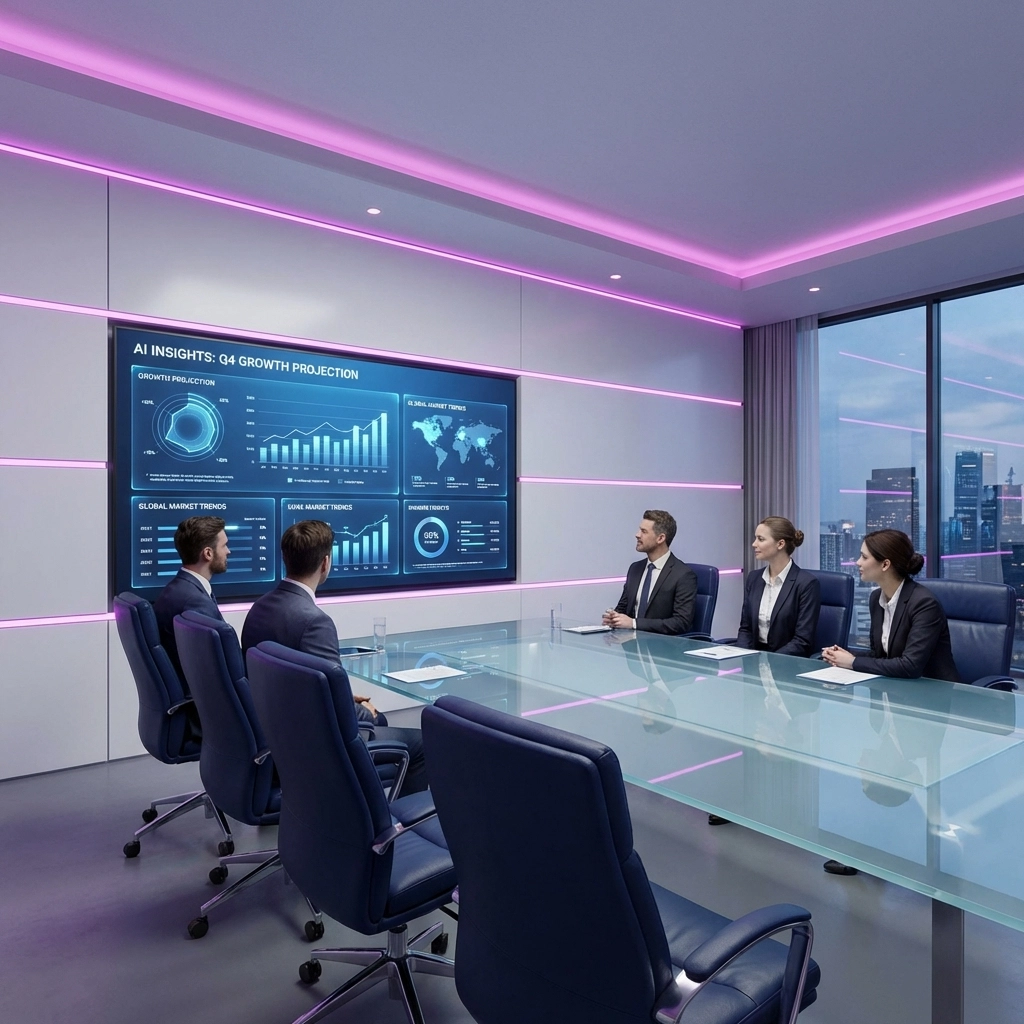
Traditional smart boards lack the sophisticated security protocols and integration capabilities required for government applications. AI-powered displays offer enterprise-grade security, encrypted communications, and seamless integration with existing government IT infrastructure: critical requirements that traditional boards cannot satisfy.
The transformation extends to public-facing applications where government offices use interactive displays for citizen services, public information dissemination, and community engagement initiatives that require the reliability and advanced features only AI-powered systems provide.
Commercial Applications: Interactive Display Solutions Nepal
The commercial sector in Nepal is witnessing unprecedented adoption of AI-powered interactive displays across retail, hospitality, healthcare, and service industries. Traditional smart boards lack the versatility and advanced features required for dynamic commercial applications.
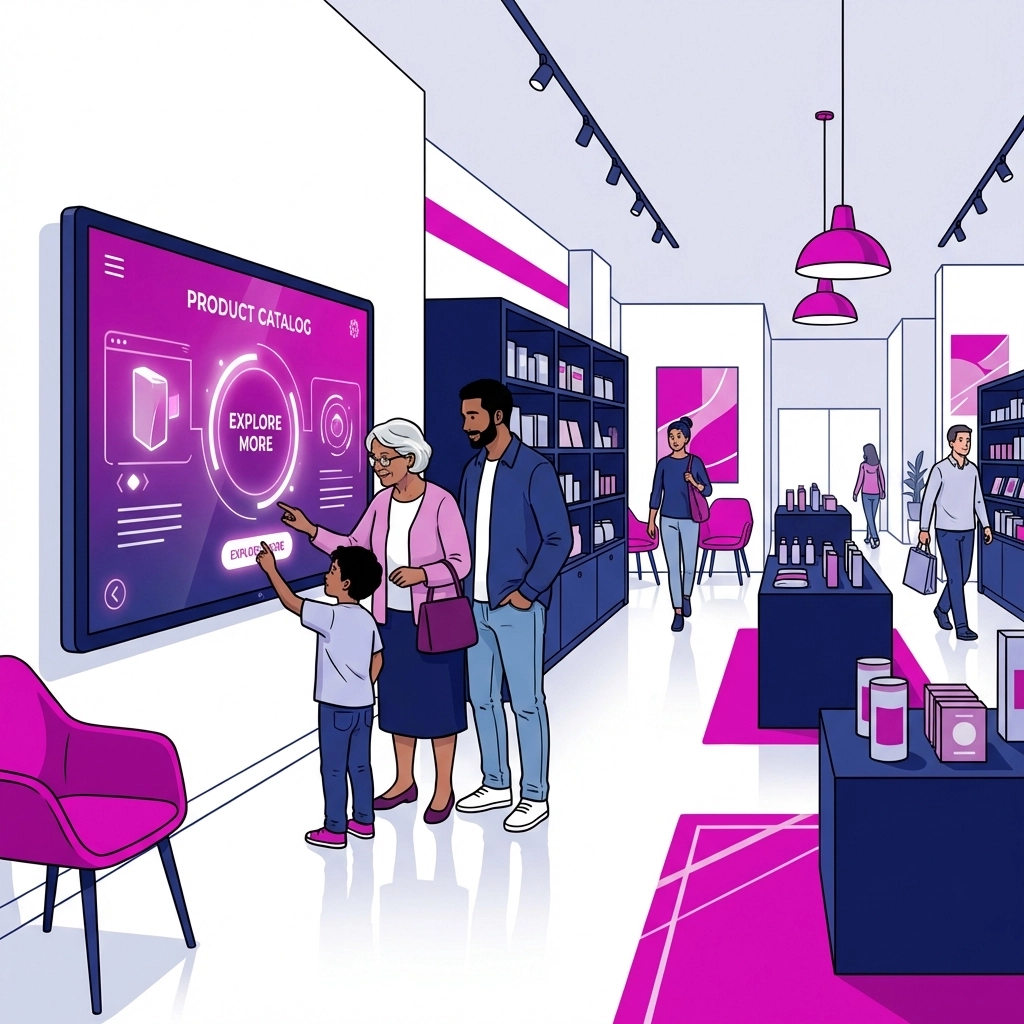
Retail environments benefit from AI-powered displays that provide interactive customer experiences, real-time inventory integration, and dynamic content adaptation based on customer behavior: capabilities impossible with traditional smart board technology. Restaurants and hotels across Nepal are implementing these solutions for enhanced customer engagement and operational efficiency.
Healthcare facilities require the precision, hygiene compliance, and integration capabilities that only AI-powered interactive displays can provide for patient education, staff training, and diagnostic presentations.
Technical Specifications: The Horion Advantage
Horion’s M6APro series exemplifies the technological superiority of AI-powered interactive displays over traditional smart boards available in Nepal. The system features a 48MP camera with auto-focus capabilities, 8-array microphone systems for crystal-clear audio pickup, and Google EDLA certification ensuring seamless Android integration.
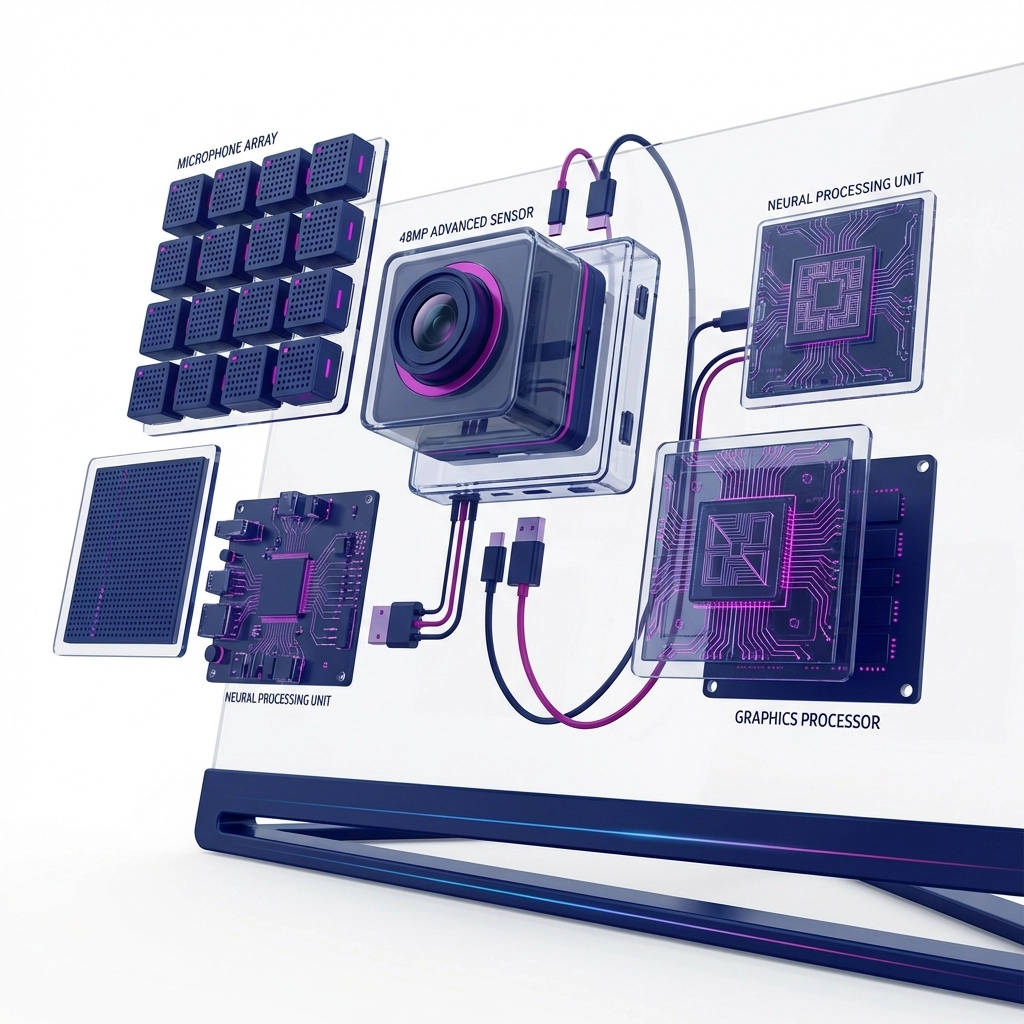
The 4K Ultra HD resolution provides four times the clarity of traditional smart board displays, while the multi-touch functionality supports up to 20 simultaneous touch points: enabling true collaborative interaction impossible with conventional electronic whiteboards. The integrated Android 14.0 operating system eliminates the need for external computing devices that traditional smart boards require.
Battery-free stylus technology and palm rejection features provide natural writing experiences that traditional smart boards cannot match, while built-in WiFi 6 and Bluetooth 5.0 ensure reliable connectivity for modern workplace demands.
UNOPS Partnership: Global Standards in Nepal
The partnership between Horion Nepal and UNOPS demonstrates how international organizations recognize the superiority of AI-powered interactive displays over traditional smart board solutions. This collaboration brings global best practices to Nepal while ensuring local support and service excellence.
UNOPS requirements for international project implementations demand the advanced capabilities, security features, and integration possibilities that only AI-powered interactive displays provide: standards that traditional smart boards cannot meet for international development projects.
The Verdict: Evolution, Not Extinction
Traditional smart boards in Nepal aren’t disappearing overnight, but they’re rapidly becoming obsolete for organizations that prioritize modern functionality, future-proofing, and competitive advantage. Budget-conscious institutions may continue using traditional electronic whiteboards, but they’re no longer competitive for contemporary educational, business, government, or commercial applications.
The transformation happening across Nepal’s institutions reflects a broader global shift toward AI-powered interactive technology that provides measurable improvements in collaboration, learning outcomes, and operational efficiency. Organizations investing in traditional smart boards today are essentially purchasing yesterday’s technology for tomorrow’s challenges.
AI-powered interactive displays represent the natural evolution of collaborative technology: offering capabilities that traditional smart boards cannot match while providing platforms for continuous innovation through software updates and feature enhancements. For organizations across Nepal seeking long-term value, competitive advantage, and future-ready technology, the choice between traditional smart boards and AI-powered interactive displays isn’t really a choice at all.
The question for 2026 isn’t whether traditional smart boards are dead: it’s how quickly your organization will embrace the AI-powered future that’s already transforming education, business, government, and commercial operations throughout Nepal.