







![[HERO] Rural Schools Vs Urban Schools: Can Smart Displays Bridge Nepal's Digital Divide?](https://cdn.marblism.com/_pwctolLQiF.webp)
Rural Schools Vs Urban Schools
In today’s rapidly evolving educational landscape, Nepal faces one of its most significant challenges: the digital divide between rural and urban schools. While students in Kathmandu and other major cities enjoy access to modern technology, interactive learning tools, and high-speed internet, their counterparts in remote villages often learn from outdated textbooks with limited resources.
This disparity is not just an inconvenience: it is shaping the future opportunities of millions of young Nepalis. The question now is whether smart display technology can serve as the bridge that connects these two vastly different educational realities.
Understanding Nepal’s Educational Digital Divide
The numbers paint a stark picture. Only 3% of children and youth in rural Nepal have access to computers and the internet, compared to significantly higher penetration rates in urban centers. This gap extends far beyond mere hardware availability: it encompasses teacher training, digital literacy, infrastructure reliability, and access to quality educational content.
Urban schools in cities like Kathmandu, Pokhara, and Biratnagar have been integrating digital tools into their classrooms for years.
Students collaborate on projects using cloud-based platforms, access multimedia learning resources, and develop the technological fluency demanded by the modern workforce. Meanwhile, rural schools struggle with the basics: unreliable electricity, insufficient teaching materials, and a shortage of qualified educators.
This divide is not merely about technology: it represents a fundamental inequality in educational opportunity that threatens Nepal’s development goals and the aspirations of rural communities.
The Compounded Challenges Facing Rural Schools
Rural schools in Nepal face a unique set of obstacles that make digital transformation particularly challenging:
Infrastructure Limitations
Many remote schools lack consistent electricity supply. Without reliable power, even the most advanced technology becomes useless. Roads to these areas are often difficult to navigate, making equipment delivery and maintenance a logistical nightmare.
Teacher Shortages and Training Gaps
Qualified teachers are harder to attract and retain in rural areas. Those who do serve in these communities often lack exposure to digital teaching methodologies, making it difficult to integrate technology effectively even when it becomes available.
Language and Content Barriers
The majority of digital educational content is available in English, creating accessibility issues for students and teachers more comfortable with Nepali or local languages. This linguistic barrier compounds the technological one.
Economic Constraints
Rural schools operate on minimal budgets. The cost of purchasing, installing, and maintaining digital equipment often seems prohibitive, leading many administrators to dismiss technology adoption as unrealistic.
Parental Awareness and Supervision
Unlike urban parents who are generally more digitally literate, rural parents often lack the knowledge to supervise their children’s technology use or understand its educational benefits. This creates both practical challenges and resistance to change.
How Smart Displays Are Transforming the Equation
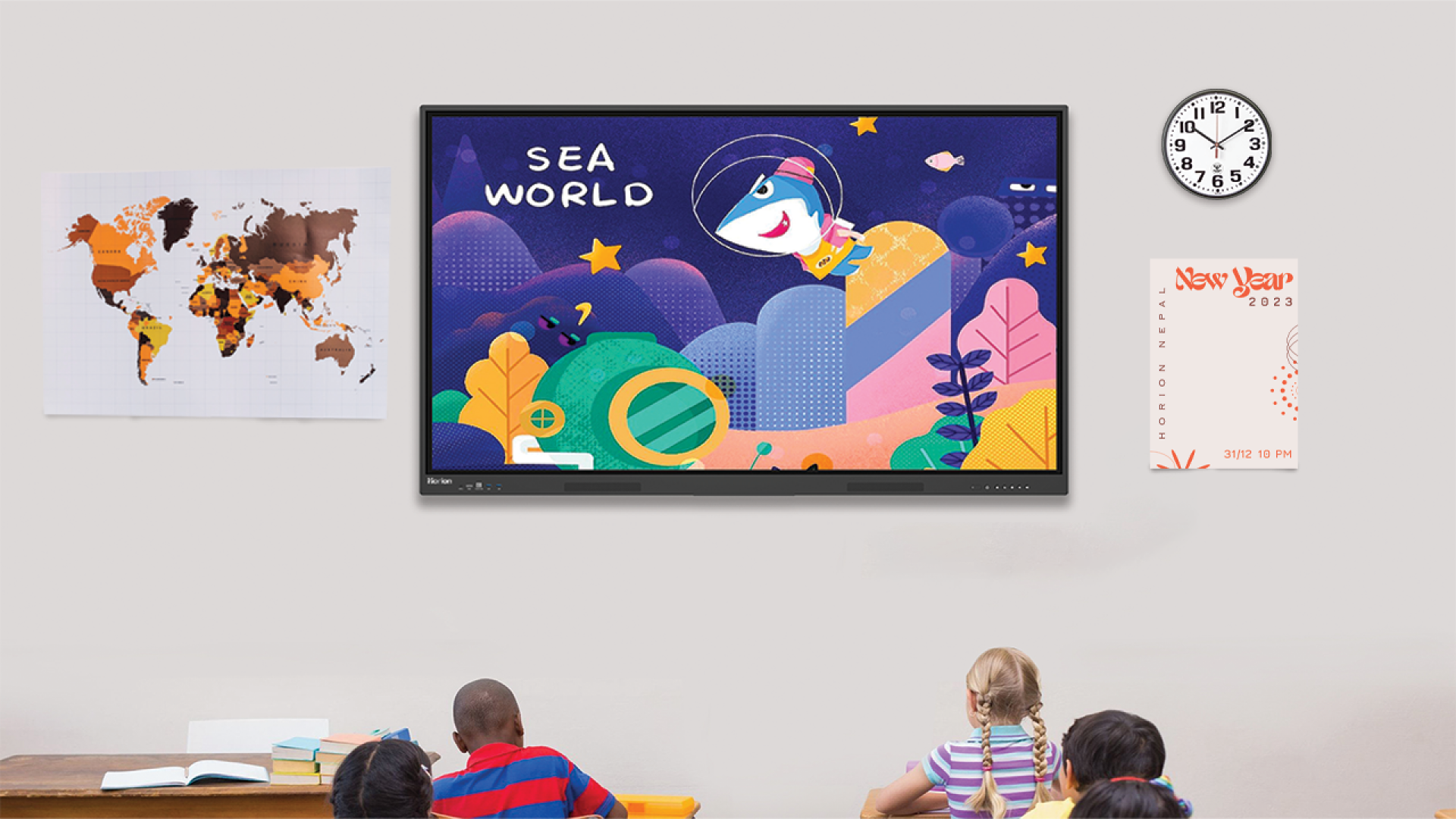
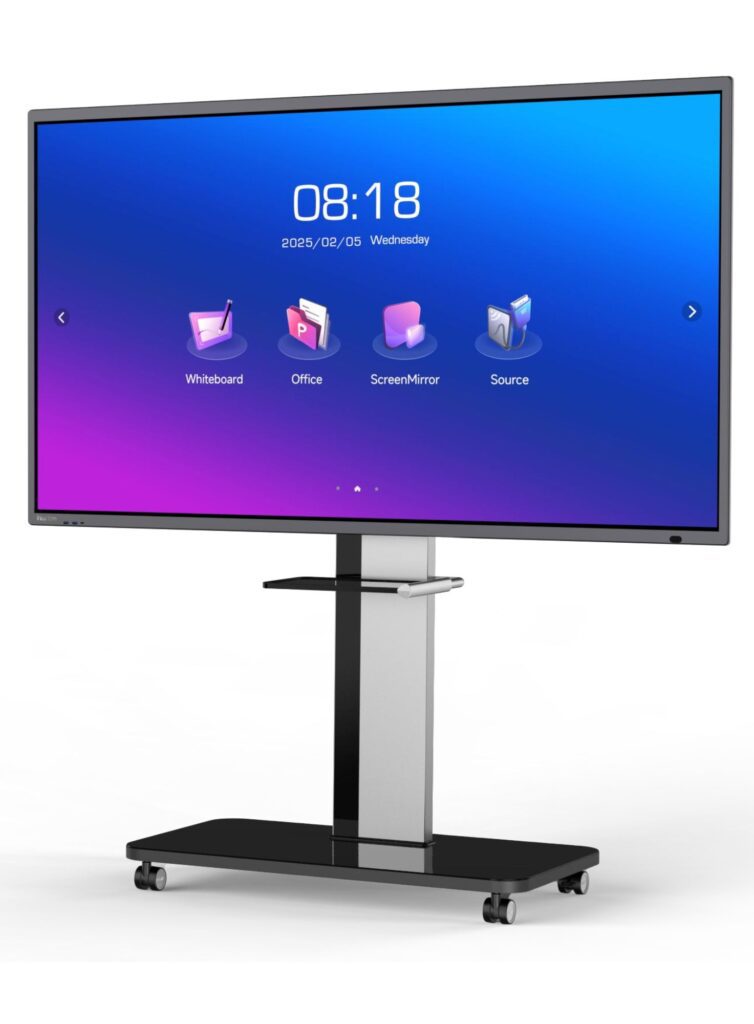
Despite these challenges, smart display technology is emerging as one of the most effective tools for bridging Nepal’s educational divide. Interactive flat panels like the Horion M6APro V2 offer features specifically designed to address the unique needs of resource-limited environments.
All-in-One Functionality
The M6APro V2 combines multiple devices into a single unit: a display, computer, whiteboard, and collaboration hub. This consolidation reduces the need for multiple pieces of equipment, simplifying installation and maintenance while lowering overall costs.
Offline Capability
Unlike solutions that depend entirely on internet connectivity, smart displays can store educational content locally. Teachers can download lessons, videos, and interactive materials when connectivity is available, then use them offline in areas with unreliable internet access.
Durability and Longevity
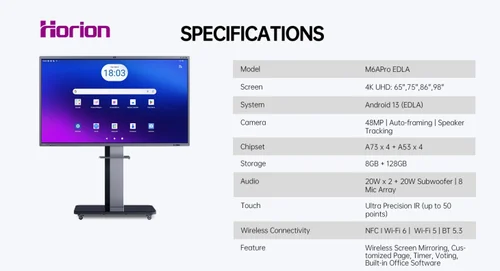
Built for intensive educational use, these displays feature robust construction that withstands the demands of daily classroom operation. The 4K Ultra HD display with advanced touch technology ensures years of reliable service, maximizing the return on investment for budget-conscious schools.
Intuitive Interface
Running on Android 14 with EDLA certification, the M6APro V2 provides access to Google Classroom, educational apps, and a familiar interface that reduces the learning curve for teachers and students alike. The 48MP camera and integrated microphone support hybrid learning scenarios, connecting rural classrooms to resources and expertise anywhere in the world.
Success Stories: Technology Making a Difference
The potential of smart displays in rural Nepal is not merely theoretical. Nepal Internet Foundation and APNIC Foundation have demonstrated what is possible through pilot programs installing smart classrooms in schools in Kathekhola Rural Municipality.
These installations included smart boards, computers, internet connectivity, and solar-powered systems to address the electricity challenge. The results have been encouraging: students gained access to interactive lessons, educational videos, and e-books, while developing critical digital skills that will serve them throughout their lives. Teachers received training to integrate these tools effectively, transforming their pedagogical approaches.
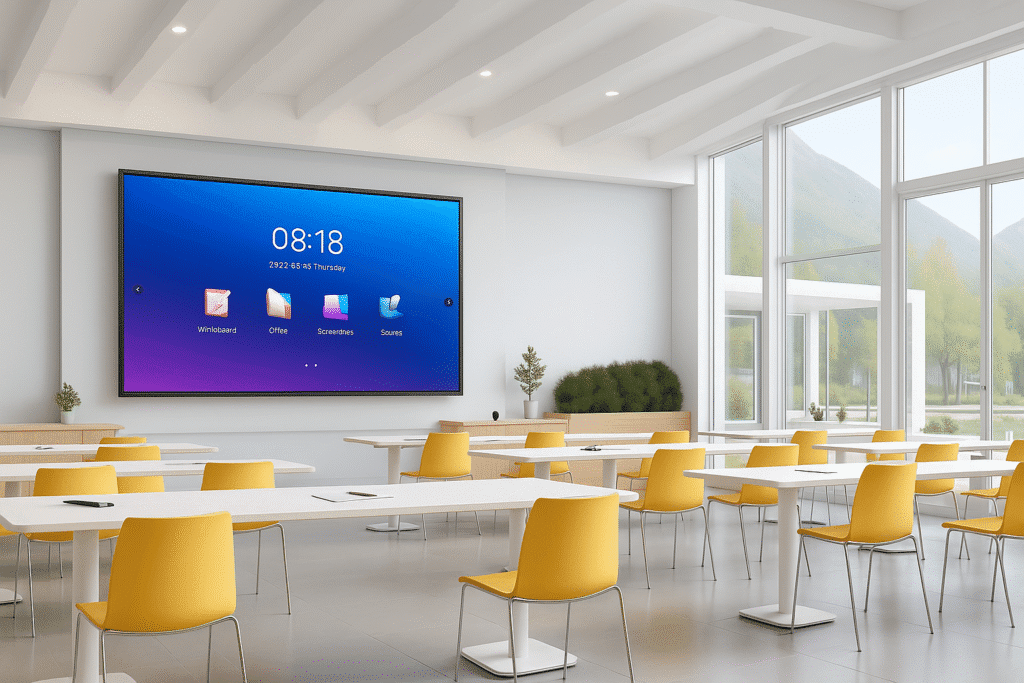
Similar initiatives across Nepal are proving that with the right technology and support, rural schools can offer learning experiences comparable to their urban counterparts. The key lies in holistic implementation that addresses infrastructure, training, and content alongside hardware deployment.
Practical Implementation Strategies for Rural Schools
Successfully bridging the digital divide requires more than simply installing equipment. Schools and organizations looking to bring smart display technology to rural Nepal should consider the following strategies:
1. Address Power Infrastructure First
Partner with organizations providing solar panel installations or battery backup systems. The M6APro V2’s energy-efficient design makes it compatible with renewable energy solutions, ensuring consistent operation even in areas with unreliable grid power.
2. Invest in Comprehensive Teacher Training
Technology adoption succeeds or fails based on teacher engagement. Provide ongoing training and technical support, not just initial installation guidance. Teachers who feel confident using smart displays become advocates for the technology within their communities.
3. Develop Localized Content
Work with curriculum developers to create educational materials in Nepali and local languages. The interactive capabilities of smart displays allow for multimedia content that transcends language barriers through visual and hands-on learning.
4. Build Community Support
Engage parents and community leaders in the implementation process. Demonstrating the technology and explaining its educational benefits builds the buy-in necessary for successful adoption.
5. Plan for Sustainability
Establish maintenance protocols and budget for ongoing support. Partner with local technicians or create regional support networks to ensure equipment remains operational over the long term.
Cost-Benefit Analysis: Making the Case for Investment
The initial investment in smart display technology may seem substantial for rural schools, but a comprehensive cost-benefit analysis reveals compelling value:
When considering the long-term benefits: improved learning outcomes, reduced recurring material costs, and enhanced student preparedness for the modern economy: smart displays represent a sound investment in Nepal’s educational future.
The Path Forward: Technology as an Equalizer
Smart displays alone cannot solve Nepal’s educational divide: but they represent one of the most promising tools available for narrowing it. When implemented thoughtfully, with attention to infrastructure, training, and community engagement, interactive flat panels like the Horion M6APro V2 can bring world-class educational resources to the most remote classrooms.
The divide between rural and urban education in Nepal has been decades in the making. Bridging it will require sustained commitment from government, private sector, and civil society organizations. However, with the right technology and implementation approach, the goal of educational equity is more achievable than ever before.
Every child in Nepal: whether studying in a modern Kathmandu classroom or a village school in the hills: deserves access to quality education.
Smart display technology is proving that geography need not determine destiny, and that the digital divide, while significant, is not insurmountable.
For schools, administrators, and organizations interested in exploring how smart board in Nepal and smart classroom solutions can transform educational outcomes, Horion Nepal offers comprehensive consultation and implementation support tailored to Nepal’s unique educational landscape.