








What Is Digital Signage Display? Types, Uses, and Benefits
Digital communication is evolving at a rapid pace, and businesses in modern times need faster, dynamic ways to catch the attention of their customers. There are many methods to do this. One of the most effective methods is the use of digital signage. But what is digital signage display? These are digital devices that allow businesses to show multimedia content such as maps, show times, promotions, and menus on high-quality, dynamic screens. But not all digital signage is made the same. There are multiple types of digital signage, and each of these types has its own set of benefits.
In this blog, we provide you with insights on what is digital signage, its different types, usages, and benefits.
What is digital signage?

Digital signage is a screen-based communication system that shows digital content such as videos, images, texts, animations, menus, and advertisements. The key difference between digital signage and traditional forms of signage here is that, unlike traditional signage, one can easily, instantly, and remotely update the content in digital signage.
These displays are powered by software and media players that manage and schedule the content. As a business owner, you can control the contents and display duration of individual content, making it a flexible and efficient communication tool.
Digital signage is primarily used by retail stores, corporate offices and educational institutions. Hospitals, restaurants, public areas, and commercial zones are also common places to find digital signage. This is because these are areas where customers will be able to view signage, get information and interact with businesses in a modern and impactful manner.
How Does Digital Signage Work?
Digital signage solutions combine hardware, software and content to deliver engaging multimedia messages. This system’s core is a custom-made content management system. The CMS lets users upload, schedule and distribute content to multiple displays using a browser-based player. CMS allows users to create playlists, customize display settings, and schedule content. Digital signage involves two main steps. The two key steps are:
Create Content with CMS
During this stage, digital content such as videos, images, animations, texts and other interactive elements are created. Content can be created using graphic design software, video editing software or other content creation tools. Once the contents are complete, they can be uploaded into the content management system.
Controlling Hardware Through Remote Management
Once the contents have been scheduled in a CMS, the signage relies on network connectivity to communicate with the CMS and receive content updates. These displays, alongside the browser-based players within these displays, connect to the internet via Ethernet cables to remotely manage and monitor the digital signage network for any devices that have access to the internet and CMS.
Various Types of Digital Signage Displays
The forms of digital signage displays vary. Each form is best suited to specific environments and communication purposes. Therefore, it is essential to note that selecting the most appropriate type of digital signage is crucial to communicate with the audience the intentions of the business. There are two main types of digital signage.
Wall-Mounted Digital Displays
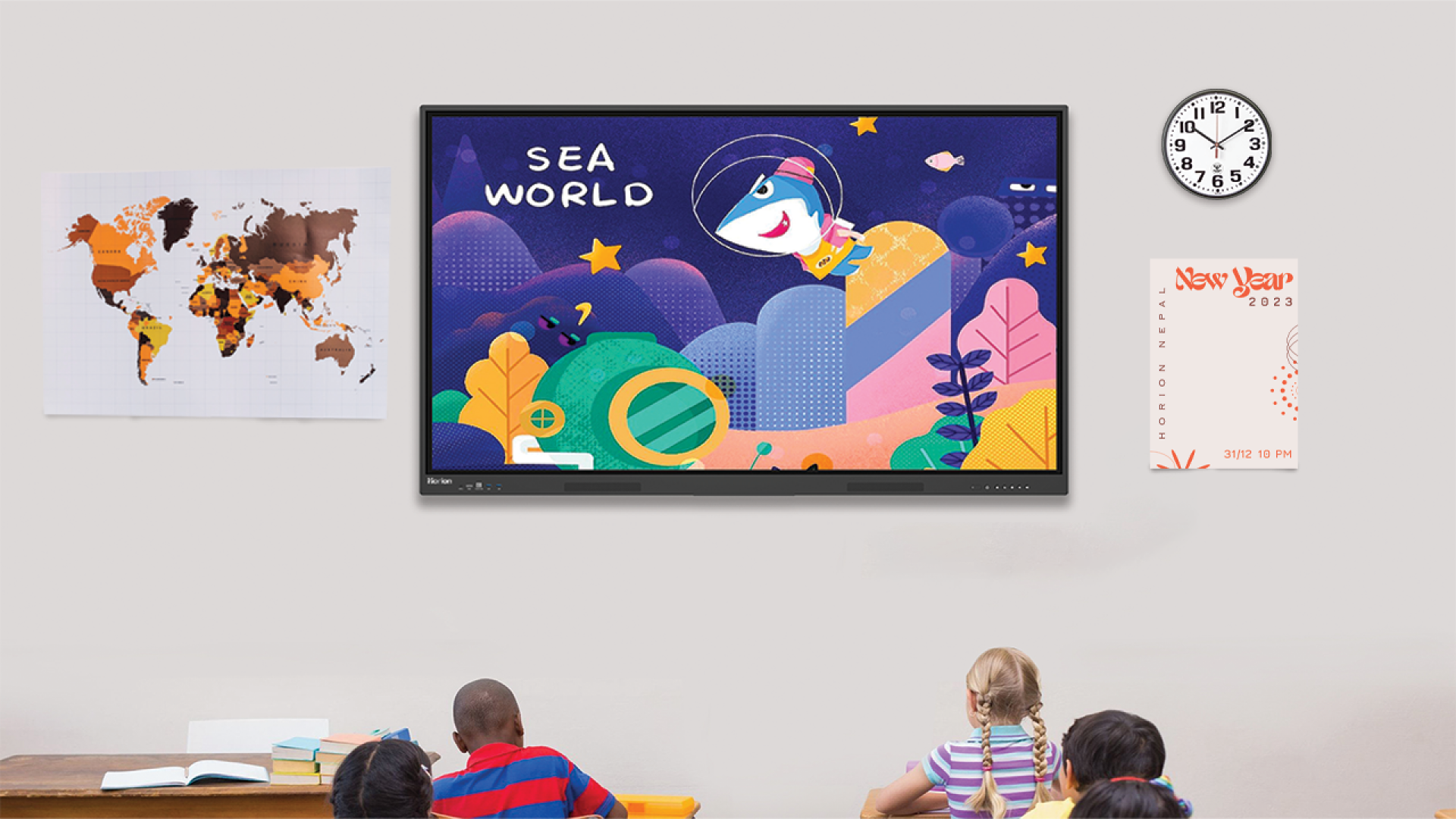
Digital signage screens mounted on walls are perfect for indoor advertising or information screens, such as those in retail stores, offices, galleries and waiting rooms. These screens come in multiple sizes (such as 43″, 55″, and 65″) and deliver vibrant 4K UHD visuals with anti-glare glass for clear viewing even under bright lighting. Running on Android 11 and integrated with CMS software, they allow you to schedule content, run multimedia playlists, and remotely monitor and control displays from anywhere. These devices have built-in features like split-screen viewing and document support, which are great for using them to promote your product, display daily updates, and so on.
Floor-Standing Digital Signage
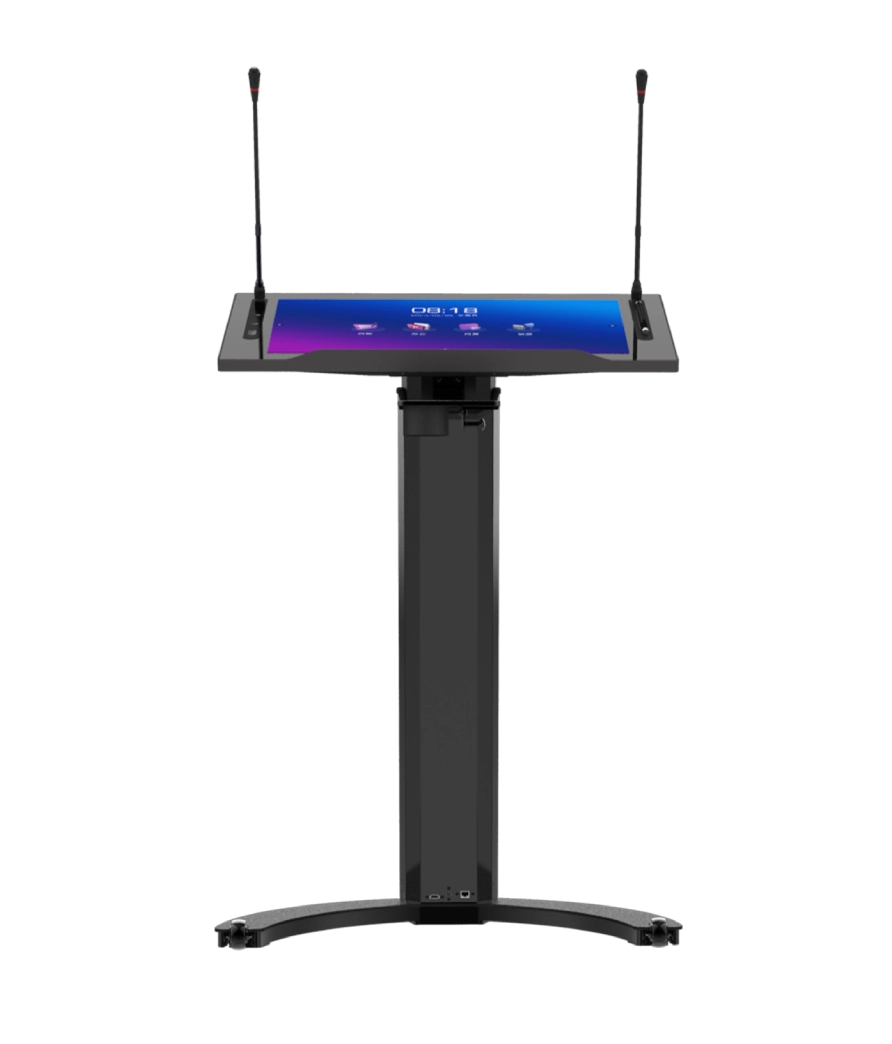
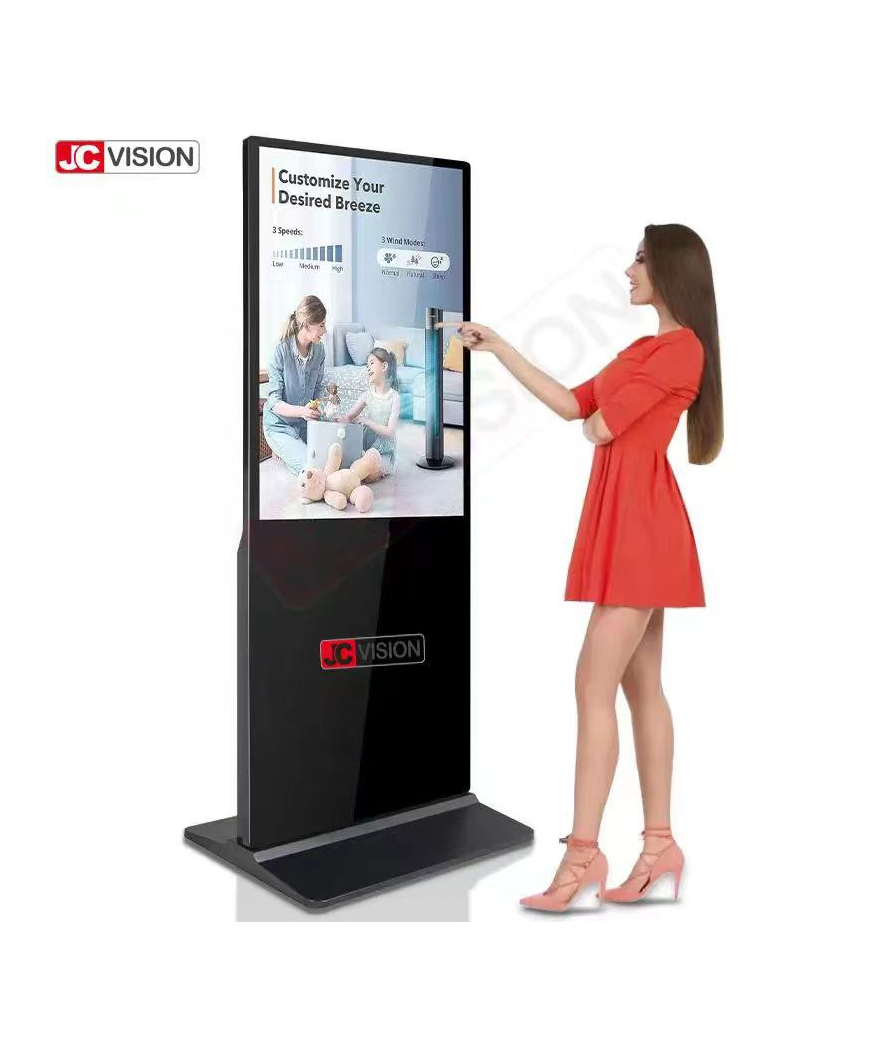
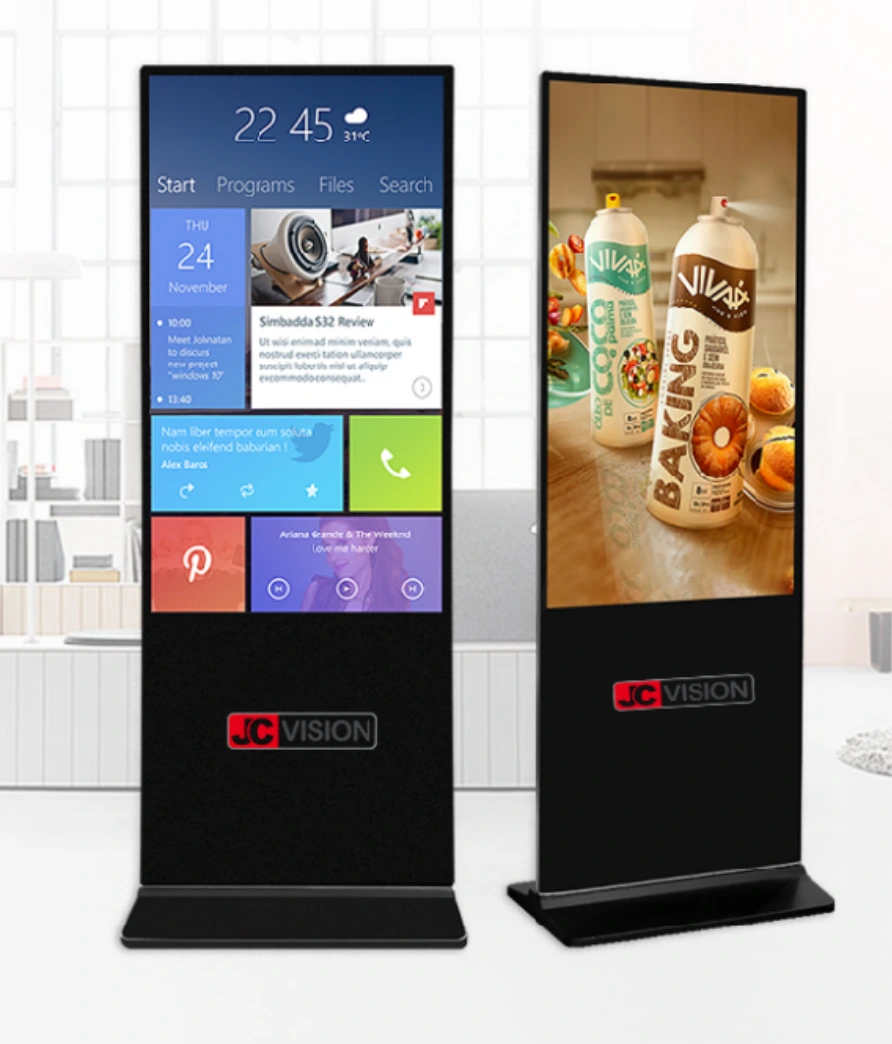
Floor-standing digital signage units are freestanding displays for advertising messages and other information. These units are used in situations where the space does not allow for wall mounting of digital signage. These are tall displays that stand on the floor for the purpose of displaying attention-grabbing graphics at eye level. With similar Android-powered CMS capabilities as wall-mounted screens, floor-standing signage can play videos, slideshows, web content, and more — and because they don’t require installation on a wall, they can be moved easily to suit different layout needs.
What is digital signage used for?

There are many uses of digital signage depending on its type and its placement. Digital signage is used in many different ways. They are most commonly used to improve the customer’s experience and to promote products/services visually. The following are some key uses of these devices.
- Use seasonal campaigns and advertisements for brands to increase sales and attract customers.
- Share company updates, internal announcements and KPIs with colleagues and clients. Also, share meeting schedules and event notifications.
- Present digital menu boards and offers, event information, welcome messages and price updates.
- Communicate in real-time exam schedules, campus events, news and announcements as well as emergency alerts with students and staff.
- Show directions to departments, show queues, health messages, and information on health appointments.
- Use real-time information and services to help people find their way around malls, banks, and airports.
- Display your sponsors, products and event calendars professionally. You can use promotional videos.
- Transport Hubs: Display flight information in real-time, including delays and train and bus schedules.
- Information such as displays at the airport, bus stations, and railway stations for platform details, safety announcements, and other relevant information should be displayed.
- It can be used to guide and inform people about events.
- Share class timetables and motivational quotes in the gym, yoga, and health club. Provide discounts for memberships and health-related tips.
- Alerts on public safety, traffic updates and weather information can be made available.
Benefits of Digital Signage
Among the most sophisticated and engaging forms of media that businesses are using, digital signs have numerous benefits compared to static displays. The benefits make digital signage an important tool for modern organizations and businesses. The following are the key benefits:
- Dynamic content and flashy graphics will automatically attract a customer’s attention rather than an ordinary static poster. They will also be kept well-informed and interested in it.
- These displays can be updated in real-time, offering various businesses the opportunity to provide information on emergencies, promotions, and announcements without waiting and without printing costs.
- Digital signage is cost-effective communication: over time, it reduces the amount of printing posters, banners, and other printed materials used for manual distribution.
- Digital Signage networks can be easily managed using a CMS. This makes it simple to update and monitor content in multiple locations.
- Consistent messaging and high-quality images help to strengthen the brand identity. They also leave a lasting impact on customers.
- Businesses can tailor content to a location, time, demographics of the audience, or special events. This makes communication more relevant.
- Interactive kiosks, wayfinding displays, or menu boards enhance visitor convenience and make the experience more enjoyable.
- Digital signage can be applied in many different industries.
- This display device is a flexible solution for communication in a variety of industries, including retail, healthcare, transportation, education and public spaces.
- Advanced digital signage systems are able to track viewer interactions, content performance, and engagement levels. This allows businesses to optimize their strategies.
Key features of Digital Signage

Digital signage is a great tool to increase brand awareness and customer engagement. Before purchasing, you should take into consideration some key features. The key features are:
- Both wall-mounted and floor-standing signage deliver Full HD, or even 4K images. It ensures that the content is crisp, vivid, and clear.
- Many displays run Android OS. This will enable easy integration with Content Management Systems to schedule playback of content seamlessly.
- Using a CMS based on a browser, remote management of content, updates, and scheduling is made possible. In addition to this, multiple displays can be controlled.
- The touch-enabled touchscreens will allow users to touch and interact directly with the displays, making it an appropriate tool for wayfinding, self-service, or promotional purposes.
- These displays can display videos, slideshows and documents. This allows businesses to effectively present different types of content.
- The screens are designed for long life with durability in the construction of the screen. This includes anti-glare technology, a tough frame, and the ability to be used in a high-traffic environment.
- Display equipment has Wi-Fi or Ethernet connectivity so that content delivery is guaranteed.
Conclusion
Digital signage is one of the best ways through which the awareness of brand building and driving engagement can be brought forward for any business. They also support effective communication of businesses by providing a modern, dynamic display of content. Digital signage allows businesses to make use of a very powerful and flexible solution in different industries. It combines high-resolution screens, remote content management options, interactive touch features, and versatile installation formats. The specific benefits and uses of signage depend on its type, but all offer high benefits for a business.
This blog provides you with information on digital signage, its types, benefits and uses. This blog is a great resource. Horion Nepal is the best provider for digital signage and smart boards in Nepal.
Digital Signage FAQs in Nepal
1. What are the types of digital signage?
Digital signage can be divided into two types:
- Wall-Mounted digital signage: Indoor displays that are ideal for retail stores, offices and lobbies. They feature 4K UHD images, anti-glare glasses, Android 11 CMS, multimedia playback and split-screen capabilities, as well as remote management.
- Floor-Standing digital signage: Freestanding screens with movable panels for malls and exhibitions. They feature eye-level visibility and an Android-powered CMS. Multimedia playback is also available. The screens can be placed anywhere without the need to install a wall.
2. What are the advantages of digital signage?
Digital signage has many uses and benefits.
Uses:
- You can use this information to promote retail products, announce corporate events, update campus info, provide healthcare information, or direct people in the right direction.
Benefits:
- Dynamic content engages audiences.
- CMS allows for instant updates and remote administration.
- Printing costs are reduced, and targeted messages can be sent.
- Enhances the visitor experience by providing performance insights.
3. What is the difference between digital signage and signage?
Signage and digital signage are different in that the former uses static posters and banners that cannot be changed without replacing them, while the latter uses electronic displays that can include videos, slideshows and live updates.