






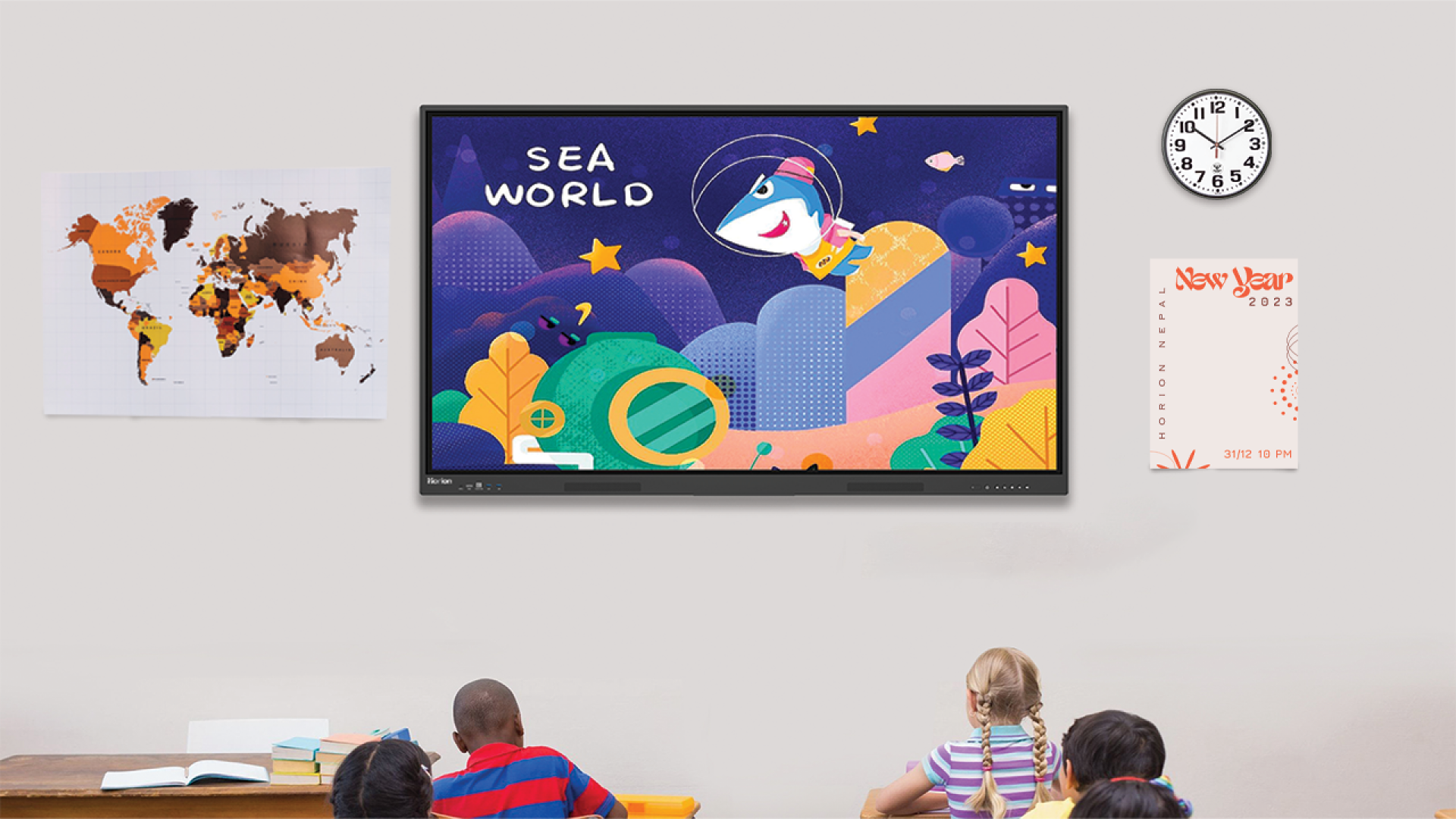
Interactive flat Panel vs Smart TV: Key Difference Explained
The world has gone digital, and in this digital world, choosing the right display for classrooms, governmental buildings, and offices matters a lot. Now, there are many forms of displays out there, and among them, two of the most popular ones are the interactive flat panel and the smart TV. But what are the differences between an interactive flat panel vs smart TV?
Among many differences, the key one is that a smart TV is primarily a video-playing device with limited space for additional use, whereas interactive flat panels, also known as smart boards, are designed with advanced technology that allows users to write, draw, run multiple forms of applications, and control them directly on the screen. But there is more to an interactive flat panel than just these differences.
In this blog, we provide you with insights on key differences between interactive flat panels and smart TVs. In addition to this, we also inform you of the key features of both of these display devices as well. But before we go into the details, let’s start with the definition.
What are Interactive flat panel?
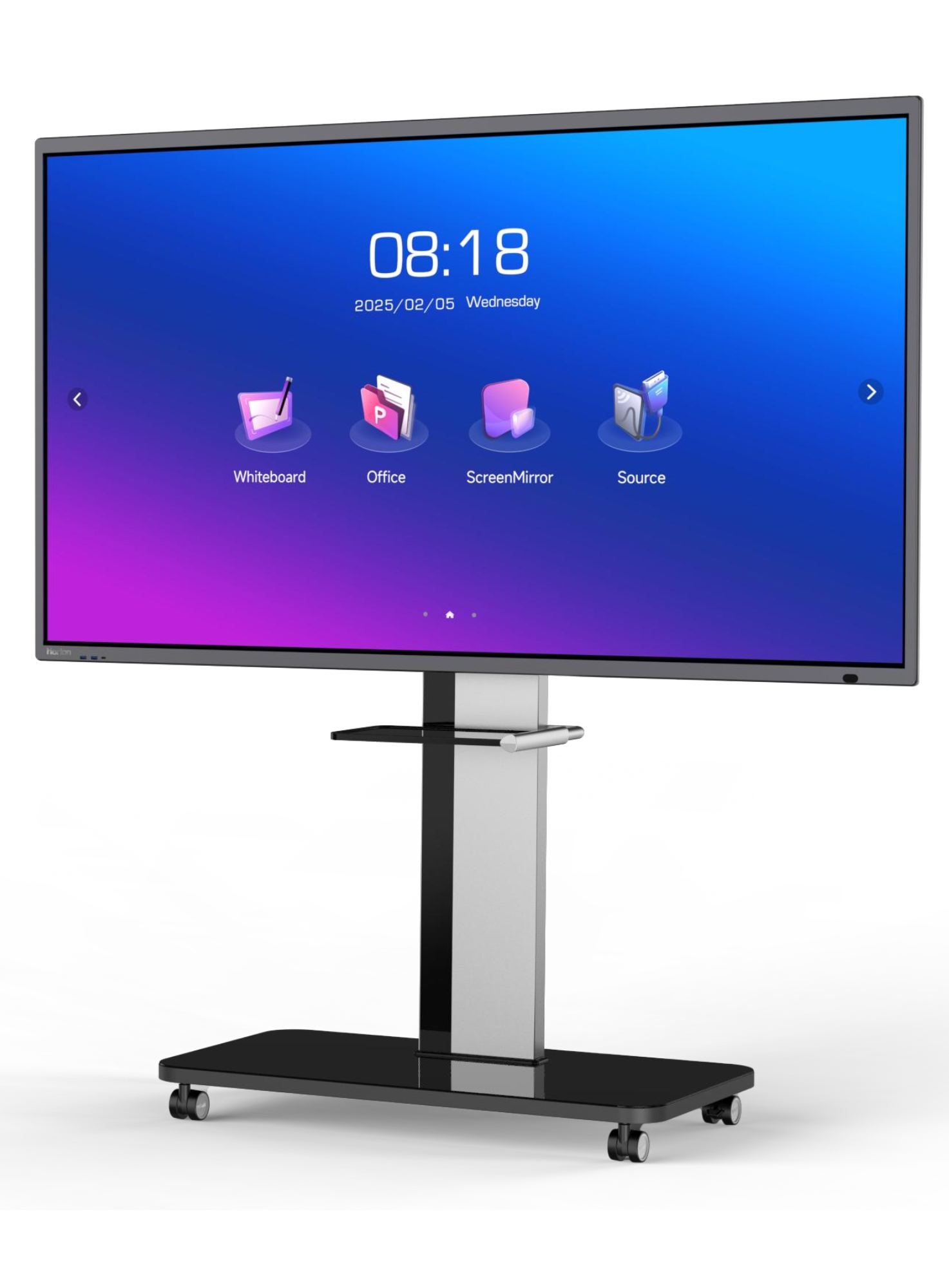
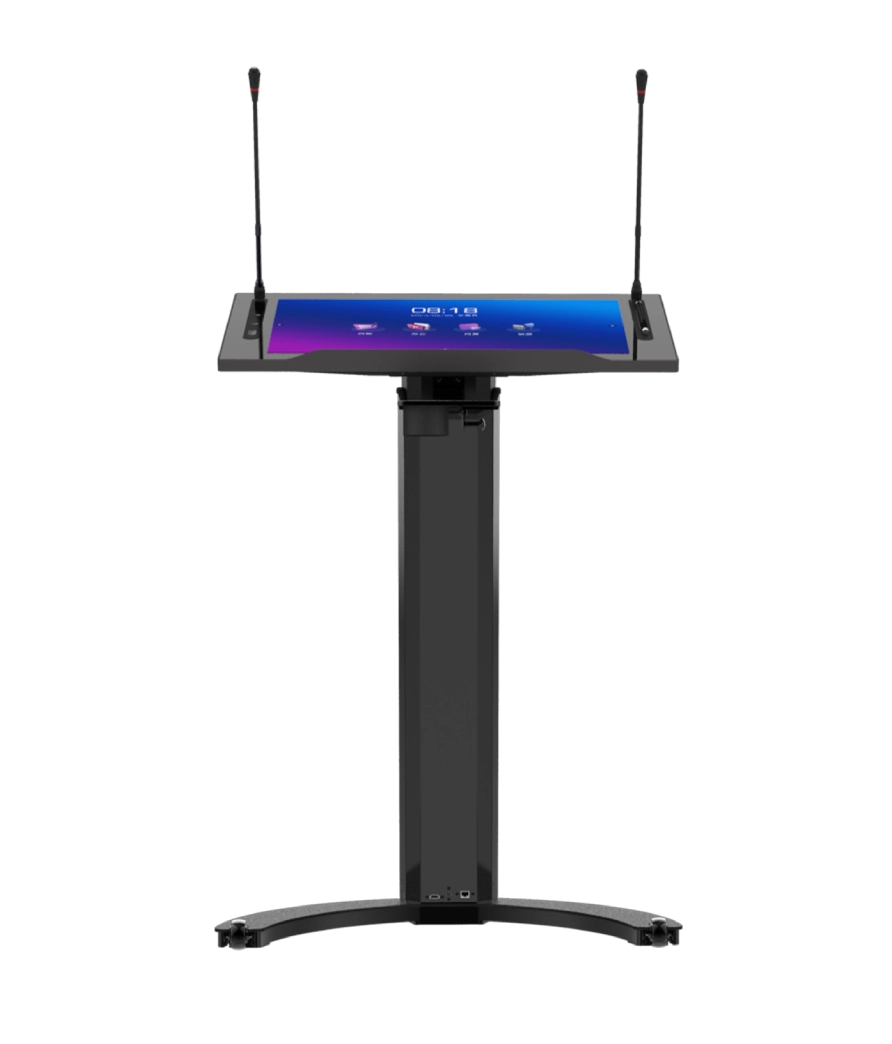
Interactive flat panels (IFP), also known as smartboards, are modern display screens designed to combine high-quality visuals with touch interactivity. Unlike traditional monitors or TVs, these panels allow users to write, draw, annotate, and manipulate content directly on the screen using fingers or stylus pens. Many models come with built-in collaboration tools such as screen sharing, video conferencing, and cloud integration, making it easier for teachers, presenters, and teams to engage participants in real time. Interactive Flat Panels are often used in classrooms, corporate meeting rooms, and training rooms to enhance the learning experience, encourage student engagement, and make presentations more captivating and interesting.
What is a Smart TV?
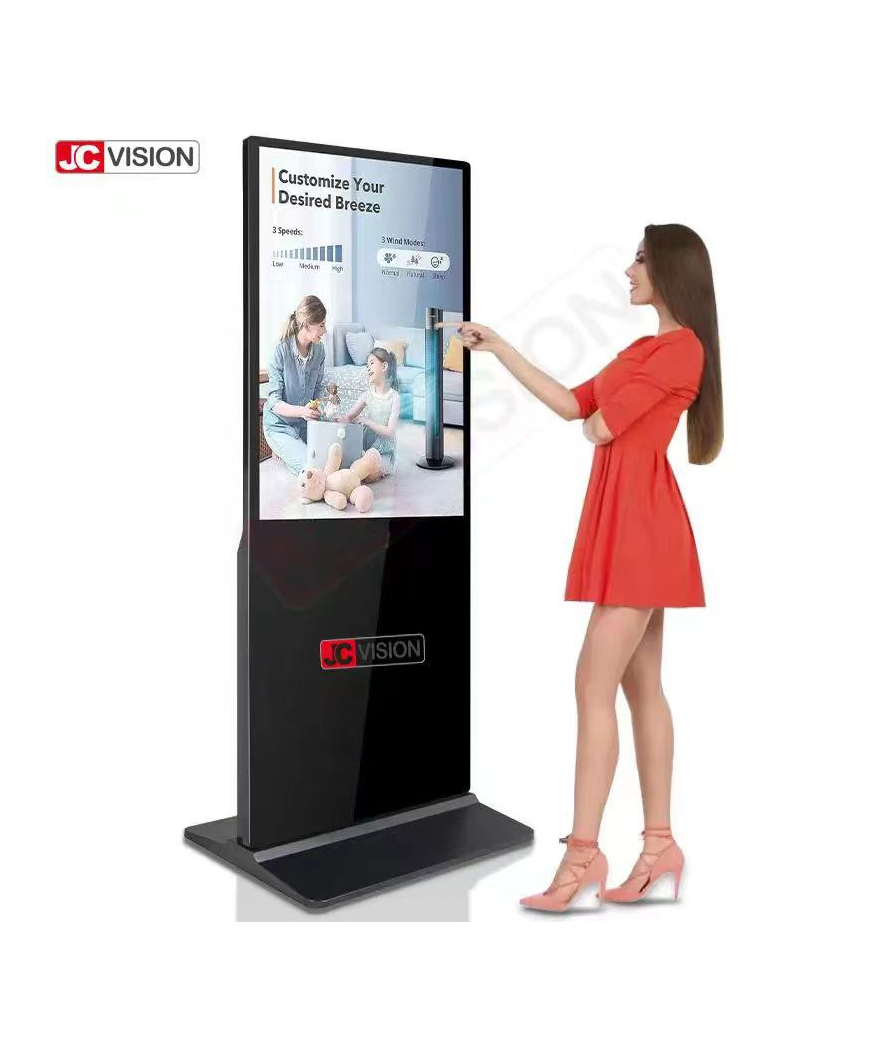
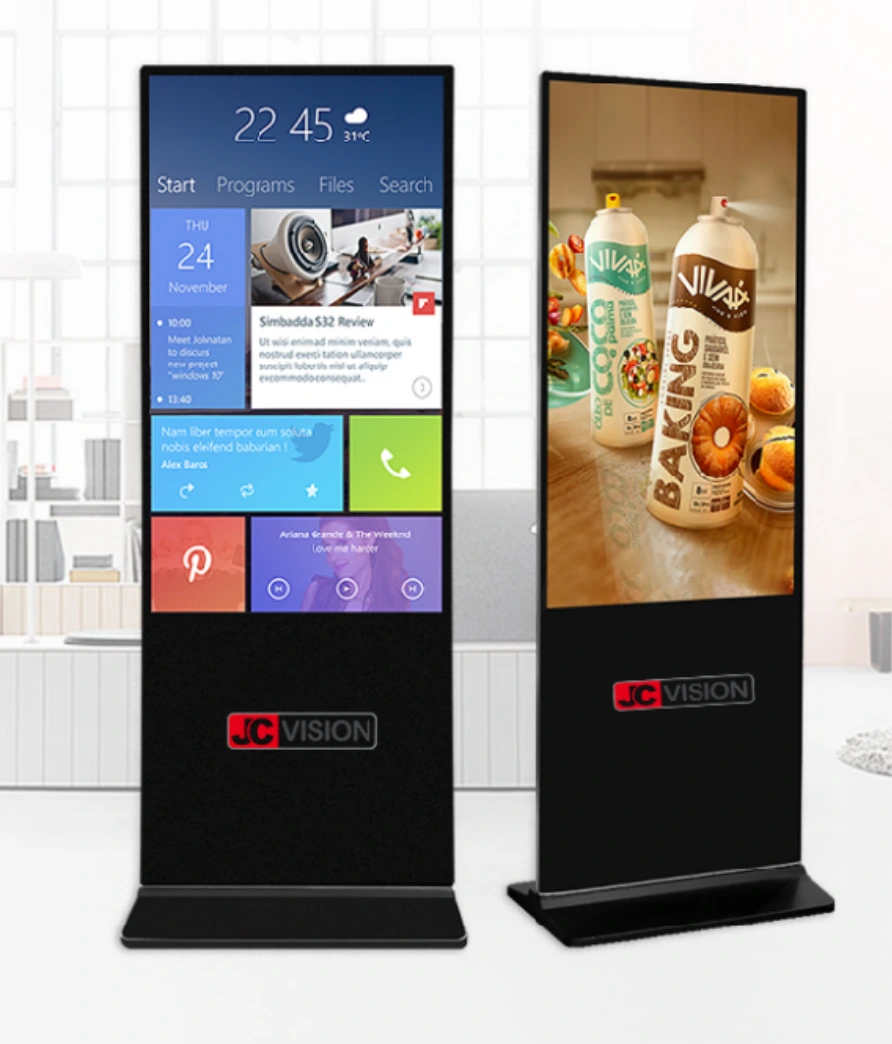
A smart TV is a type of television that not only allows users to view normal TV but also allows them to connect to the internet in order to stream content. Smart TV is equipped with high-definition video and audio, voice control, application stores, and personalized content recommendations. Although some smart TV products have some touch or gesture-based interaction, their primary use is for entertainment purposes only and do not have the necessary tools and applications to support collaborative interaction, which is provided by Interactive Flat Panels for use in classrooms and corporate rooms for presentations.
Read More: Top Reasons Every Classroom Need The Horion Smartboard
What are the key features of Interactive Flat Panels?
After talking about what the devices are, let’s now proceed to the key features of both of these devices, starting with interactive flat panels. The specific key feature of these devices depends on their specific model and overall type. That said, there are some key features that are common across the multiple forms of interactive flat panels. Some of the key features of smart boards (IFP) include:
- Touch and Multi-Touch Capability: Interactive Flat Panels allow users to touch the screen directly, with many models supporting multi-touch, so multiple people can interact at the same time.
- Annotation and Writing Tools: This feature enables the user to write, draw, highlight, or mark anything on the screen using a stylus pen or fingers. Built-in Collaboration Software – Some of these panels have video conferencing software installed in them.
- High-Resolution Display: Most of these panels have a 4K or HD display, which allows the user to view high-definition images.
- Connectivity Options: The panels have many connectivity options, such as HDMI, USB, Wi-Fi, and Bluetooth.
- Durability and Long Life: Since these panels are meant for regular use, they are made of hardy material and do not get scratched or fingerprinted.
- Interactive Learning Features: Some of these panels have interactive learning software installed in them.
What are the key features of a smart TV?
Similar to interactive flat panels, the specific key features also vary depending on the model of the smart TV. Some key features are the same across all smart TVs. Internet Connectivity, for example, is a key feature of smart TVs. They can be connected to Wi-Fi, Ethernet, or online apps.
- High-Quality Displays and Audio Systems: With Full HD or 4K resolution, HDR compatibility, and an advanced audio system, Smart TVs create an immersive viewing environment.
- App Integration: Users can install apps such as Netflix or Spotify for their own entertainment.
- Simple interface: Smart TVs provide users with a simple interface using voice commands or mobile apps.
- Screen Mirroring/Casting: Smart TVs allow users to mirror their smartphones, tablets, or laptops for sharing video or presentations.
- Entertainment-Focused Features: Smart TVs provide users with features such as gaming modes or picture settings for an enhanced viewing experience.
What are some of the differences between Smart TVs and Interactive Flat Panel TVs?
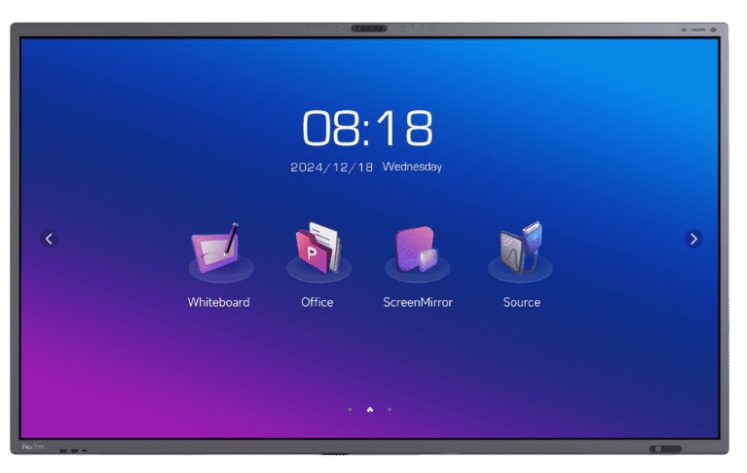
After discussing some of the key features of both Smart TVs and Interactive Flat Panel TVs, let’s now talk about some of the key differences. There are many differences between Interactive TVs and Flat Panel TVs.
Feature | Interactive Flat Panel | Smart TV |
Primary Purpose | Designed for collaboration, education, and presentations | Designed for entertainment and media consumption |
Interactivity | Multi-touch, annotation, drawing, and interactive tools | Limited or no touch capability; mainly controlled via remote or apps |
Software & Apps | Built-in collaboration, educational, and whiteboard software | Streaming apps, browsers, and entertainment-focused apps |
Connectivity | HDMI, USB, Wi-Fi, Bluetooth, screen sharing | Wi-Fi, Ethernet, limited HDMI/USB for media input |
Display Quality | High-resolution (HD/4K) for clear visuals in presentations | High-resolution (HD/4K) with HDR for immersive viewing |
Collaboration Features | Screen sharing, video conferencing, cloud integration | Basic casting/mirroring; no built-in collaboration tools |
Usage Environment | Classrooms, offices, training centers, conference rooms | Homes, hotels, lounges, entertainment areas |
Durability | Designed for frequent touch use; robust and scratch-resistant | Designed mainly for viewing; less robust for constant touch |
Learning & Productivity | Supports interactive learning, quizzes, and professional presentations | Focused on entertainment; minimal productivity features |
Price Range | Generally higher due to interactivity and advanced features | Usually more affordable depending on size and brand |
What should you buy: an Interactive Flat Panel TV or a Smart TV?
The decision between an Interactive Flat Panel TV (IFP) or a Smart TV comes down to the way you intend to use it. Both devices have great visuals, but shine in different environments.
- Choose An Interactive Flat Panel If You Want:
- For Use in Classrooms, Meeting Rooms, or Collaborative Workspaces:
- For Real-Time Interactivity Such as Drawing, Annotating, or Writing on the Screen:
- For Brainstorming and Collaborative Working, Teaching, and Learning:
- For Screen Sharing and Advanced Connectivity:
- For Interactive Conferencing Lessons
Interactive Flat Panels are a great choice when interactivity and engagement are key priorities. Interactive Flat Panels can convert passive participants into engaged ones. They are great for trainers, educators, or groups who want to engage their audience.
- If you want a smart TV, here are a few options:
- The main use of the screen will be for entertainment purposes, such as watching movies, sports, online content, and series.
- For easy and intuitive browsing of streaming services such as Netflix, YouTube, or local streaming services
- For use as the best screen for casual viewing
- For use as an intuitive device, perhaps with voice or remote control integration
Smart TVs were built to be watched, not used. If your primary need is for entertainment and content consumption, then a Smart TV will be an excellent investment.
What are the best interactive flat panels in Nepal?
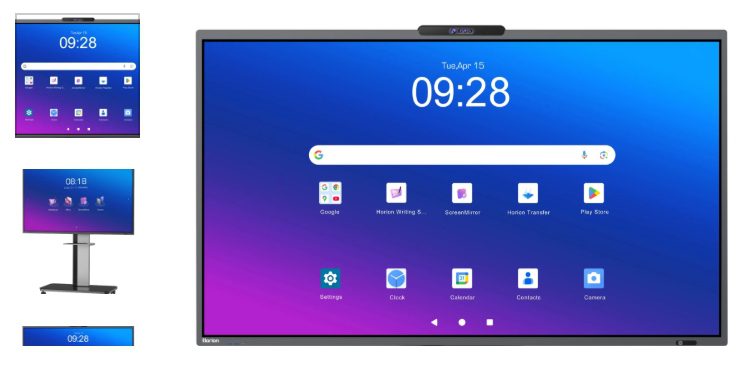
There are several options available for those in the educational, government, or official sectors who are looking for interactive flat panels. The best interactive flat panel in Nepal includes:
Interactive Flat Panel | Price |
6,50,000 | |
3,10,000 | |
2,20,000 | |
2,10,000 | |
1,90,000 | |
1,30,000 |
Where to buy a Smart Board from?
For anyone looking to invest in the best smartboards in Nepal, Horion Nepal is a reliable choice. Horion offers high-quality smartboards along with guidance on using them to their full potential, ensuring a smooth and productive experience. Furthermore, the excellent after-sales support makes the purchase even more worthwhile. You can order the best smart boards in Nepal by contacting us at:
- Email: horionnepal@gmail.com
- Office Phone: +977-1-5111018
- Sales: +977 9820755026, +977 9820755021
- IT Support: +977 9802031256
Alternatively, you can visit the office at:
- Address: Fifth Floor, Trade Tower, Thapathali, Kathmandu, Nepal
Conclusion
The world is going digital at a rapid pace, and two of the key emerging players in this era are smart TVs and interactive flat panels. Both of these display devices are products of the digital era, and both of them are digital devices. The difference here is that smart TVs are used for viewing videos within the various streaming platforms, while interactive flat panels (IFP), also known as smart boards, are meant for those who need advanced features for enhanced engagement with content and better control.
In this blog, we provided you with insights into the key differences between an interactive flat panel and a smart TV. We hope you found this helpful. If you seek further insights into the various other aspects of smartboards in Nepal, do check out some of our other blogs. And if you want the best interactive flat panels in Nepal, look no further than Horion Nepal.
FAQs on differences between Interactive flat Panel vs smart TV
1. What is the difference between a Smart TV and an interactive board?
A Smart TV is mainly designed for entertainment, allowing users to stream content and watch media. A Horion Interactive Flat Panel is a collaborative board that allows users to draw, write and interact directly on screen.
2. Why should I choose a Horion Interactive Flat Panel over a Smart TV for classrooms?
Horion Interactive Flat Panels are equipped with tools that enhance the learning experience, such as touch interactions, annotations, and integrated teaching software. It’s specifically designed for interactive classroom learning.
3. Are Horion Interactive Flat Panels suitable for business use?
Horion Interactive Flat Panels work well in meeting rooms, conference areas and other business settings. They can be used for video conferencing, presentations and real-time collaborative work.
4. Does Horion Nepal provide installation and support services?
Horion Nepal does provide installation assistance in order to make sure the smart board is installed correctly. The company also provides ongoing technical assistance and after-sales support to make sure that the user has a good experience.
5. Is it worth investing in an Interactive Flat Panel instead of a Smart TV?
A flat panel interactive is worth the investment if your aim is to improve productivity, teach, or collaborate. Smart TVs can be used for basic streaming and entertainment. They are also more cost-effective.
6. What is the Difference Between a Smart TV & an Interactive Board?
A SmartTV is designed primarily to entertain, and allows users the ability to stream content or watch media. Interactive Flat Panels or Interactive Boards are built to facilitate collaboration. Users can write, draw and interact directly on screen.
7. Why choose a Horion Interactive Flat Panel for my classroom over a smart TV?
Horion Interactive Flat Panels are equipped with tools that enhance the learning experience, such as touch interactions, annotations, and integrated teaching software. The Horizon Interactive Flat Panel is not a Smart TV, but it was specifically designed to promote interactive learning in the classroom.
8. Are Horion Interactive Flat Panels suitable for business use?
Horion Interactive Flat Panels work well in meeting rooms, conference areas and other business settings. They can be used for video conferencing, presentations and real-time collaborative work.
9. Does Horion Nepal provide installation and support services?
Horion Nepal does provide installation assistance in order to make sure the smart board is installed correctly. The company also provides ongoing technical assistance and after-sales support to make sure that the user has a good experience.
10. Do you think it’s worth investing in a flat-panel interactive TV rather than a Smart TV?
A flat panel interactive is worth the investment if your aim is to improve productivity, teach, or collaborate. Smart TVs can be used for streaming and entertainment, but are more cost-effective.